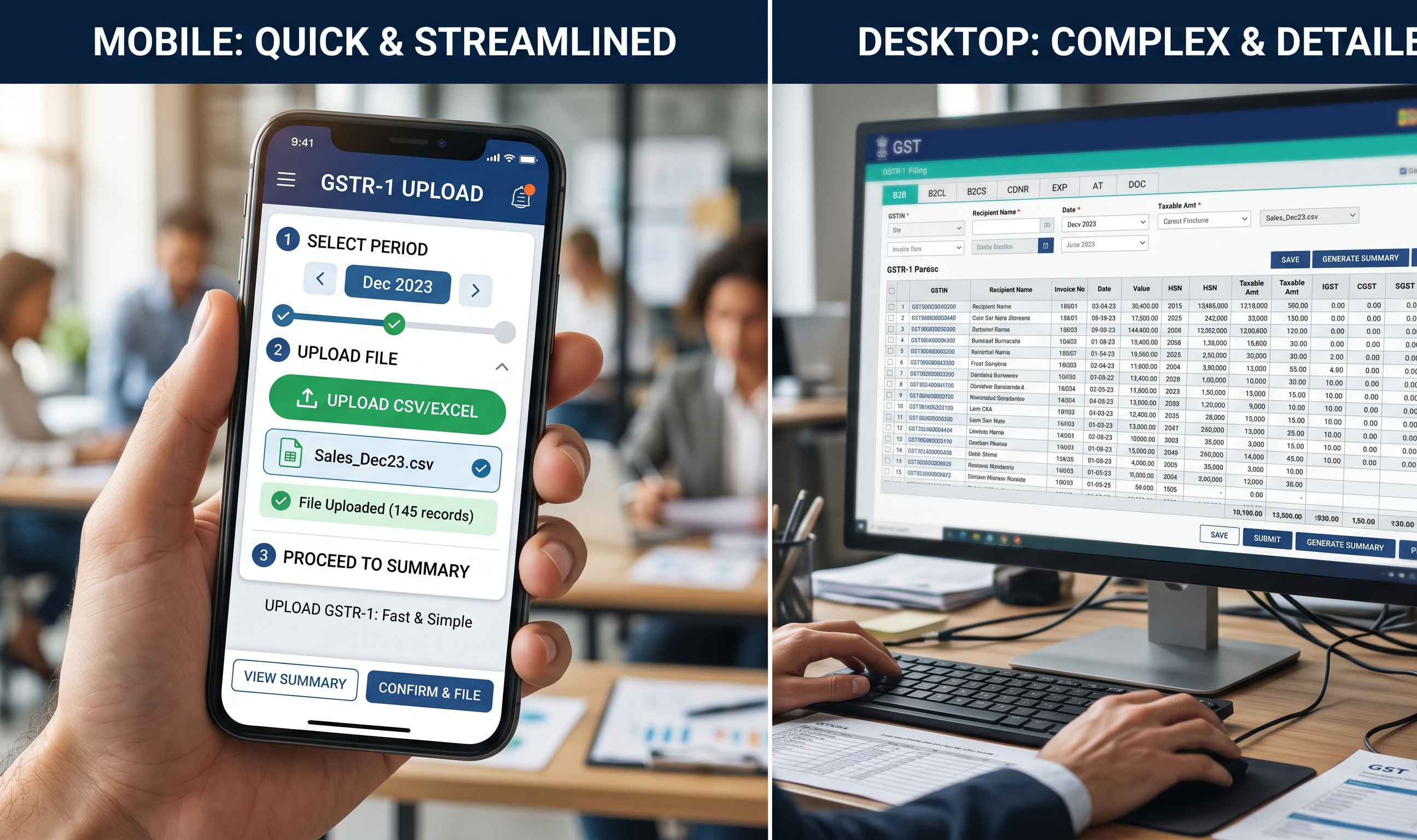
Accounts Receivable Automation for Tally
Automate customer outstanding tracking, WhatsApp payment reminders, zero-MDR UPI collection, and payment reconciliation for Tally without manual data entry.

TAKKADA BLOG
Practical notes on receivables, Tally workflows, and running a tighter collections operation.
Automate customer outstanding tracking, WhatsApp payment reminders, zero-MDR UPI collection, and payment reconciliation for Tally without manual data entry.
Connect Tally with market order booking, mobile invoicing, WhatsApp delivery, UPI collections, salesman tracking, and automated payment reconciliation.
Read post →Track customer outstanding on mobile, schedule WhatsApp reminders, collect zero-MDR UPI payments, and reconcile receipts directly into Tally.
Read post →Connect Tally with WhatsApp to automatically dispatch invoice PDFs, send scheduled payment reminders, attach zero-MDR UPI collection links, and reconcile incoming receipts back into Tally.
Read post →Follow Raju through Tuesday on Station Road. Today's load at nine, Gupta Stores at 10:40, a Sales Order after check-out, the van from one sheet, WhatsApp when billed, Team Sales at 8 PM.
Read post →Nagaon at 94 days sits on the book, and three people think someone else called. A collection owner per customer puts one salesman on that party. Reassign from the app when the route changes.
Read post →On the second of the month the owner drills Sundry Debtors down to Sharma Kirana from the Balance Sheet on the phone. A non-zero Difference row means the synced books need attention in Tally, not a fix on the phone.
Read post →A Guwahati wholesaler with five salesmen and about 120 dealers already runs Station Road, GS Road, Fancy Bazaar, NH-37 and Beltola as beats. Beat-wise sales management is that list, plus today's load, a camera check-in at each shop, and orders that land in Tally as Sales Orders.
Read post →Sharma Kirana has three bills, ₹40,000, ₹35,000 and ₹25,000, and pays ₹50,000. Bill-wise lets him point at a bill. FIFO always clears the oldest first. The Payments report on the phone toggles the basis.
Read post →Two salesmen recover ₹6 lakh in a month and look equal until Speed is median days to collect. A collection team leaderboard puts Recovered, Outstanding and Speed on each person's card.
Read post →Monday on the phone: type Station Road, add Gupta Stores, put Raju on the list. Beat assignment is that job, plus Unassigned for shops on no beat, which only full-access members see.
Read post →Sharma Kirana takes rice and oil and has never lifted the new atta SKU. The cross sell report distributor view on the phone is that gap, ready for tomorrow's counter conversation.
Read post →Sharma Kirana lifts twice a week and tickets around ₹22,000. Customer analytics tally on the phone is who buys, how often, how much, so a quiet party shows up before Outstanding does.
Read post →Monday 7 PM, Barpeta Chemist says kal bhej dunga for ₹45,000. A payment follow up log keeps that sentence on the party, with Tuesday as the next-action date, so Wednesday is not an argument about who called.
Read post →Outstanding says Sharma Kirana owes ₹1,85,000. The customer payment behaviour report says he takes 47 days on 30-day terms. That second number is who you stop giving fresh credit to at 8:30.
Read post →Two parties can both sit at 62 days and be different jobs. A customer payment speed report is Habits in Reports+: days to pay and median days per customer, with Speed on each salesman's Team card.
Read post →Gupta Stores used to voice-note 14 cartons at 8:40. The owner now sends a personal web link on WhatsApp. The kirana orders from the catalogue, types a mobile number, and the line lands in the inbox for one-tap conversion.
Read post →A Guwahati pharma owner sets 0-7-15-30 so a 21-day chemist bill hits this week's call list. The agri company on the same phone keeps 0-45-90-120. Those ageing slabs stick per company.
Read post →At 8:40 the owner opens Collect and the daily collection brief names one ₹45,000 promise due today and three overdue parties nobody has chased. He shares that card by hand through the phone's share sheet.
Read post →A salesman WhatsApps at 12:10 that twelve bills are done. The owner opens Daybook on the phone, sets Today, chips Sales, and counts seven vouchers before the van leaves again.
Read post →96 bottles of oil, 24 leaving a day: 4 days of inventory cover. Kolkata takes 7. Cover is already below lead time at 9:10 on Monday.
Read post →200 pickle jars, 2 a day, 100 days of cover, ₹8,000 in a corner. Forty such SKUs is ₹3,20,000 sitting until March values it. Find them in December, not on the auditor's printout.
Read post →At 9:15 the godown opens Dispatch, totals pending orders across Station Road, GS Road, Fancy Bazaar, NH-37 and Beltola, then prints a Load sheet per beat with Gupta Stores on top.
Read post →At 9:10 the CA asks for the Trial Balance as a sheet while the owner is still at Fancy Bazaar. Eleven Tally reports export to Excel from the phone. Two are PDF only. Daybook is PDF or CSV.
Read post →Raju's phone reports a mock location at Gupta Stores. Check-in is refused. No visit is recorded. The owner still sees the refused attempt. An exemption, if he grants one, accepts the visit and marks it Unverified.
Read post →Monday 9:10, Velocity puts 1-litre oil at 24 a day and a pickle jar at 2. Stock beside it: oil 96 bottles, pickle 200. One is a purchase. One is capital sitting still.
Read post →Tuesday night on Station Road. Raju stood at eighteen shutters. Booked on these visits shows his six orders. At the dealers visited shows what those eighteen ledgers did, including payments that never sit on his name.
Read post →At 8:30 the owner reads this year's sales, purchases, receipts and payments from a band of ten register totals on the Reports screen, each tappable into its register, before the first dispatch.
Read post →Tuesday at Gupta Stores, 10:40. Raju photographs the shutter. The record keeps who, where the phone said, when, and the picture. All-day GPS tracking follows the rest of his Tuesday, including lunch, and Takkada does not.
Read post →Before you buy a salesman tracking app, ask for the stamp at Gupta Stores: camera photo, location, time. Ask what happens on a mock location. Ask whether the order lands in Tally. All-day tracking and a map are the wrong list.
Read post →A Guwahati book that has slipped off 30-day terms does not need a different cadence per chemist. Payment reminder frequency is one company-wide setting: four presets, or custom 1 day before due, on due, then every N days.
Read post →Fancy Bazaar asked for 40 bottles of 200 ml at 11 AM. The godown was dry. He bought from the next van. Your invoice register still looks like a normal Tuesday.
Read post →The van reaches Gupta Stores at 2:40. The delivery boy ticks Mark delivered on the Station Road Load sheet. Tally never hears about it. The Sales Order stays open until the office invoices it.
Read post →On the second of the month the CA wants the Profit and Loss. The owner also opens the 12-month MIS grid, because August versus July is a different question from whether the period made money.
Read post →Station Road drops into a dead-signal lane. Raju still checks in at Gupta Stores. The phone shows Saved on this phone. The visit uploads when signal returns. The order waits for data.
Read post →Manoj covers Station Road and books ₹18,000 at a kirana that sits on Raju's beat. The owner reassigns that order to Raju. Tally keeps the same voucher. Gupta Stores' ₹8,400 UPI still sits on the dealer.
Read post →₹18 lakh overdue can hide three names nobody has called. Unchased overdue customers sit on the Team line: Nagaon at 94 days, Goalpara at 71, Tinsukia at 88, no owner, no log.
Read post →At 8:40 the owner opens Collect, taps Recovery, and the daily brief names one promise due today and three overdue parties nobody has chased. The payment recovery dashboard is four tabs, not a second set of books. The brief is shared by hand.
Read post →Sharma Kirana WhatsApps at 9:40 for a statement. Settings lets you pick Ledger Account or Pending Bills, plus Include details. Those are the two documents. Bank details print from the default bank.
Read post →Gupta Stores' 14 cartons are a Sales Order in Tally and still waiting for an invoice. Pending orders puts every such line in one list. Today's load and Dispatch read the same pile for the next van.
Read post →On the second of the month the owner opens Profit and Loss from the phone at Fancy Bazaar, income against expense from the synced Tally books, before the CA asks whether August actually made money.
Read post →Monday 7 PM the chemist names ₹45,000 for Tuesday. Promise to pay tracking puts that amount and date on the party. Wednesday morning it is proven missed only if Tuesday has passed and Tally still has no receipt, with allowance for sync lag.
Read post →Monday 9:10, 96 bottles of oil on the shelf, 24 leaving a day, Kolkata seven days out. The reorder point is 240. The purchase is today, six cases, not after the last case goes.
Read post →The sales register says today's billing. Sales analytics tally on the phone says the 1-litre mustard oil stands at 11 cases on the books now, against a usual 40. That is tomorrow's counter conversation.
Read post →Raju booked ₹9,20,000 in August and the office billed ₹6,40,000. Pay him on orders and he has crossed ₹8,00,000. Pay him on invoices and he is still ₹1,60,000 short. The receipt Gupta Stores sent does not sit on either pile.
Read post →Tuesday night in Guwahati. Team Sales ranks five names from Tally. Raju's August orders sit at ₹9,20,000, invoices at ₹6,40,000. Gupta Stores paid ₹8,400. That receipt does not move his rank.
Read post →Station Road, Gupta Stores, 10:40. Raju shutter ki camera photo kheenchta hai. Owner ko woh photo, location aur time dikhta hai. Poora din phone follow nahi hota. Fake location pe visit record nahi hoti.
Read post →Tuesday night in Guwahati. Raju's August target is ₹8,00,000. Team Sales shows ₹9,20,000 of orders and ₹6,40,000 of invoices. Gupta Stores paid ₹8,400. That receipt does not move his commission.
Read post →Last Puja, diya oil did 40 tins a day for 18 days. This September the shelf has 60 tins, 1.5 days at that rate. The forecast is last year's register, not a feeling that Puja is coming.
Read post →At 9:40 Sharma wants his statement. Send from my WhatsApp opens your chat with the message pre-filled. The PDF rides the share sheet. From the business number the app shows queued.
Read post →At 9:40 Sharma Kirana WhatsApps for a file. Every report PDF goes through the phone share sheet, where you pick WhatsApp. On the web the send is text only. Ledger statements are a separate path.
Read post →Somwar 9:10, 1-litre tel 96 bottles, 24 din mein nikalte hain, Kolkata 7 din. Cover 4. Truck 7. Purchase aaj, last case ke baad nahi.
Read post →A distributor running 400 SKUs and six suppliers still runs out of the one item a retailer came for. Stockout control is four numbers per item, kept against Tally stock and sales. Lead time lives with the owner.
Read post →Kolkata oil was 'about a week' until the purchase register showed 6, 7, 8, 8, 11, 14. Median 8, worst case 14. The 14-day rain week is the one that empties the godown.
Read post →On the second of the month the CA asks for a Trial Balance in the layout Tally itself prints. The owner sends it from Fancy Bazaar through the phone's share sheet, from the five statutory reports that offer Tally-format export.
Read post →Owner Fancy Bazaar par khada hai, CA ne TB maanga. Tally ki report mobile par Reports screen se khulti hai, do groups mein. Share sheet se WhatsApp jaati hai, Excel un reports par jahan chooser hai.
Read post →A Guwahati distributor with 80 retail parties opens Collections Outstanding at 8:30, Daybook at noon, and Trial Balance when the month closes. Those Tally reports live on the phone, with the limits named below.
Read post →On the second of the month the CA asks for a Trial Balance while the owner is still at Fancy Bazaar. The list opens on the phone from the synced Tally books, as a flat list with no drill into a ledger.
Read post →Subah 8:40, Guwahati wala owner Collect kholta hai. Vasuli dashboard par Barpeta chemist ka ₹45,000 promise aaj due hai, teen overdue party ka koi owner nahi. Brief haath se share hota hai.
Read post →Raju checks out of Gupta Stores. The card says At the dealer 12 minutes, and Checked out 40 m from where the visit started. Duration is marked unreliable when the check-out leg fails its own trust check.
Read post →Raju on Station Road can raise Gupta Stores' Sales Order from the phone. He cannot raise Gupta Stores' invoice. Voucher-type permission is that split, plus which parties he sees and which registers he can create in.
Read post →A Guwahati wholesaler already names Station Road, GS Road, Fancy Bazaar, NH-37 and Beltola. A beat is that named dealer list, with one salesman or none, and Gupta Stores on one list only.
Read post →Raju should not open Profit and Loss at 9 PM in a tea stall. Restrict reports access tally on the phone by turning the Reports tab off for that team member. He then sees no reports at all.
Read post →At 11:05 Fancy Bazaar wants 40 bottles of 200 ml. Stock is 80. Without a sales order those 40 are a memory. With one, free stock is 40 and Thursday's purchase already knows.
Read post →At 9 PM the owner is not reading a report. He is trying to remember whether the Jorhat branch still has the item he promised somebody at four o'clock.
Read post →A new branch opens on Monday and the godown master gets created on Friday, because the person who can create it is in another town. Four days of stock lands somewhere it should not.
Read post →Counter par customer khada hai, item chahiye aaj hi. Godown mein hai ya nahi, yeh ek call ka sawal nahi hona chahiye.
Read post →Transfers get recorded carefully because a truck is standing there. Invoices get recorded fast because a customer is waiting. That difference is where branch stock goes wrong.
Read post →The question is always the same. How much of this item is lying at the branch, right now, and can I promise it today. The answer exists in Tally and sits on a desktop in another town.
Read post →One company file, three locations, and no way to see what the branch is holding without ringing the branch. Godowns are how Tally already answers that, and the phone is where the answer becomes useful.
Read post →Every demo shows stock on a phone. The questions that decide whether it survives your second branch are never the ones the demo answers.
Read post →The Jorhat storekeeper should move Jorhat stock. Nobody plans for him to issue a transfer out of the main warehouse; it happens because a screen let him.
Read post →The quantity is known once, while the goods are being loaded. Every hour after that, the transfer note gets copied, remembered and eventually approximated.
Read post →Most distributors meet the godown field the day an operator presses Enter through it. Understanding what it actually records is the difference between a location report you trust and one you stop opening.
Read post →A crop protection distributor books most of his year in the few weeks around sowing, then settles the scheme six months later against stock that partly came back. The arithmetic is easy. Agreeing on the inputs, after the season has closed and the dealer's memory has hardened, is the whole job.
Read post →Most distributors who ask for a customer portal do not want a portal. They want the phone to stop ringing about balances, and they want the retailer to pay without a call. Those are different problems with very different price tags.
Read post →Every distributor gets the same call: bhai, mera kitna baaki hai? The retailer is either checking his own book or checking whether you noticed his last payment. A link that shows him his own open bills answers both before he dials.
Read post →Every distributor who runs dealer schemes ends the season the same way: one Excel file, three versions of it, and a week of arguments with retailers about what was promised. Tally holds every invoice but none of the scheme logic, and that gap is where the margin quietly goes.
Read post →Two limits went live on 1 January 2025 and still catch distributors out. An e-way bill cannot be generated against a document dated more than 180 days ago, and no extension can carry one past 360 days from generation. Both are portal-level walls with no workaround.
Read post →Half the tax sites on the internet still say the e-way bill closure facility went live on 1 August 2026. It did not. GSTN put the whole set of enhancements in abeyance four days earlier, and this is what a distributor actually needs to know.
Read post →The truck is somewhere past Jorhat, the driver has stopped for the night, and the e-way bill ran out four hours ago. There is a window to fix it, and there is a penalty clause if you miss it. Both are worth knowing before the phone rings.
Read post →Distributors key the same consignment twice: once into the invoice, once into the e-way bill portal. When the invoice already carries an IRN, most of that second entry is already done for you, and the part that is left is the part the office never has at the right moment anyway.
Read post →A retailer owes ₹3,40,000 across nine bills and sends ₹1,00,000. Who decides which bills that money closed? Today it is your accountant, guessing, three days later. That single guess is where most party ledger disputes are born.
Read post →Most distributors confirm party balances once a year, in a rush, against a 31 March figure. By then the disputed entry is ten months old and the retailer's accountant who made it has left. The confirmation costs almost nothing to send, and the delay before sending it is what costs money.
Read post →Distributors use the two terms interchangeably at the counter and then discover at settlement that they are earned on completely different facts. One is a question about your sales register. The other is a question about your receipt vouchers, and it is the one that quietly breaks.
Read post →Most owners have not given their salesmen access to the books because of one uncomfortable fact: handing a field man the company data hands him every party's balance, every purchase rate, and the margin on every item. The reluctance is rational, and the fix is permission that scopes party by party instead of report by report.
Read post →Every order in a distribution business gets taken twice. Once at the retailer's counter on a pad, and once again in the office at eight in the evening by an operator reading a blurry photo. The second typing is unpaid work that also happens to be where the errors come from.
Read post →Every owner running a field team asks the same question about the same salesman: gaya tha ya nahi. The industry answered it with all-day GPS tracking, which field teams resent and quietly work around. The better answer is much smaller: a photo taken at the party's counter that carries who took it, where the phone said it was, and when.
Read post →Every distributor knows what each salesman sold last month, to the rupee. Almost none can say whose parties are sitting at 90 days. A sale carries the rep's name from the moment the order is booked; a receipt carries nothing unless somebody puts it there.
Read post →Two credit notes can carry the same rupee figure and the same dealer name, and only one of them brings your output tax down. The difference was decided months earlier, on the day the scheme was agreed, and most distributors find that out at settlement.
Read post →The promise is made in April and the number is defended in October. Between those two dates the retailer under-lifts, over-lifts, returns unsold packets and pays in three instalments. This is how an agri-input distributor keeps a season settlement arguable-with instead of argued-about.
Read post →A retailer who has had your shop's number saved for eleven years opens a message from it without thinking. The same words arriving from an unfamiliar ten-digit number get swiped away with the loan offers. The sender does more work than the wording ever will.
Read post →Two different distributors search this. One has been given a login to his principal's portal and cannot make its pending invoice list agree with his Tally. The other is wondering whether to hand his own twenty suppliers a login. Both questions have the same answer, and it is not a portal.
Read post →Every tool that sends WhatsApp for you is sending it from somebody's number. Usually not yours. Before you buy one, it is worth knowing the three tiers you might be sold, what each costs, and what your retailer actually sees when the message lands on his phone.
Read post →₹47,000 lands at 4:12 PM from a VPA that reads like a person's name, not a shop. Nobody in the office knows whose it is or which bill it closes. That gap between money arriving and the books knowing what it was for is where a distributor's receivables quietly go wrong.
Read post →Distributors run an ageing report on their retailers religiously. Almost none run one on their suppliers. The payables ageing report is the same idea pointed the other way, and it is what stops a cash discount slipping away.
Read post →A distributor knows to the rupee what his retailers owe him. Ask him what he owes his suppliers this week and he has to call the accountant. Accounts payable in Tally is that number, and it belongs on his phone next to the outstanding he already checks every evening.
Read post →Every distributor runs two ledgers at the same time: the suppliers he owes and the retailers who owe him. Confuse the two and you either miss a supplier payment or chase the wrong party. The difference between them is the cash your business actually has to work with.
Read post →Two distributors carry ₹3 crore of receivables. One collects his whole book eight times a year, the other five. Same outstanding, very different business. The turnover ratio is the number that tells them apart.
Read post →A retailer sends ₹40,000 before any invoice exists, so it goes in as an advance. Three weeks later the bill is raised, but nobody adjusts the advance against it. Now the books show credit and outstanding at the same time for the same party. Here is how advance and bill adjustment actually work in Tally.
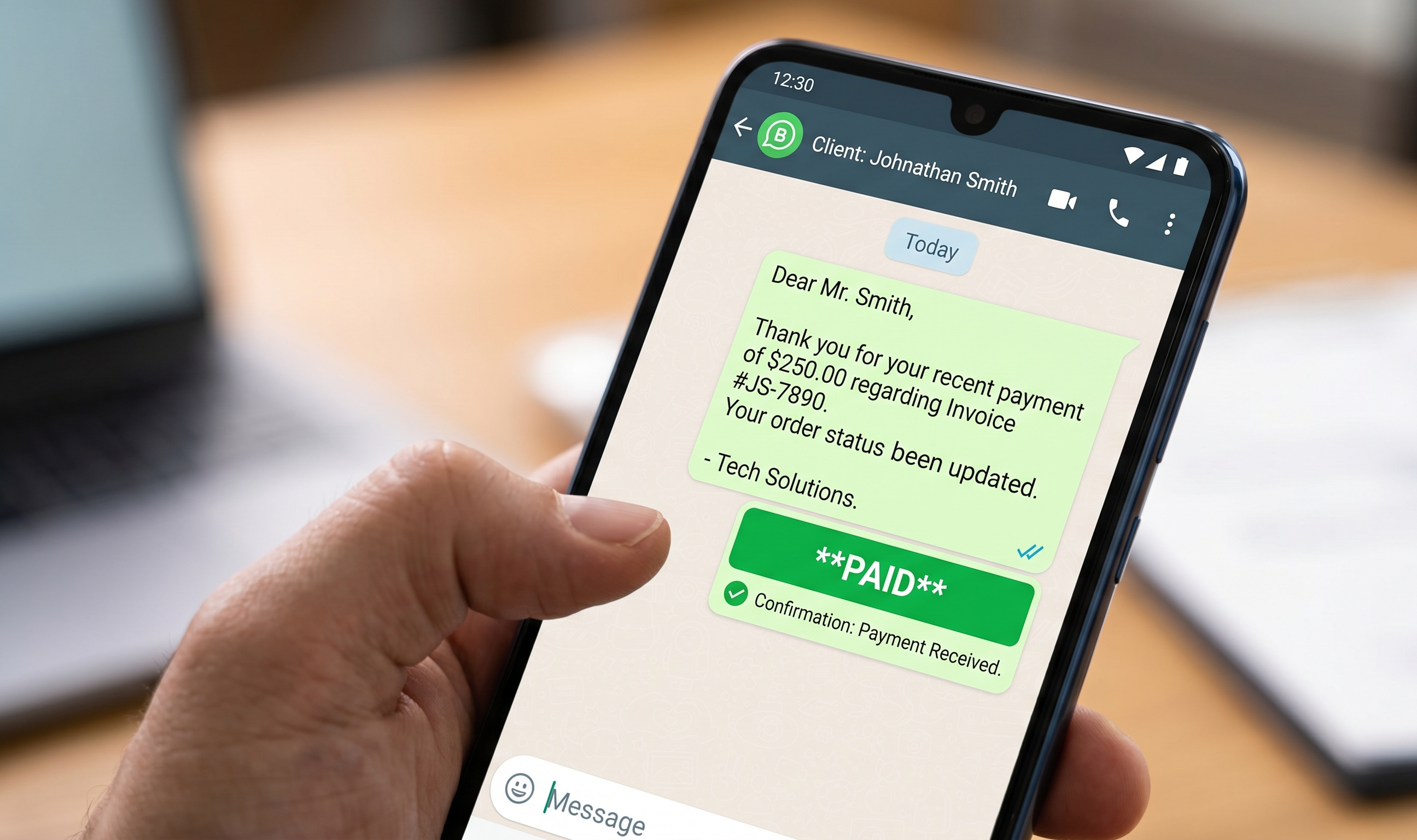
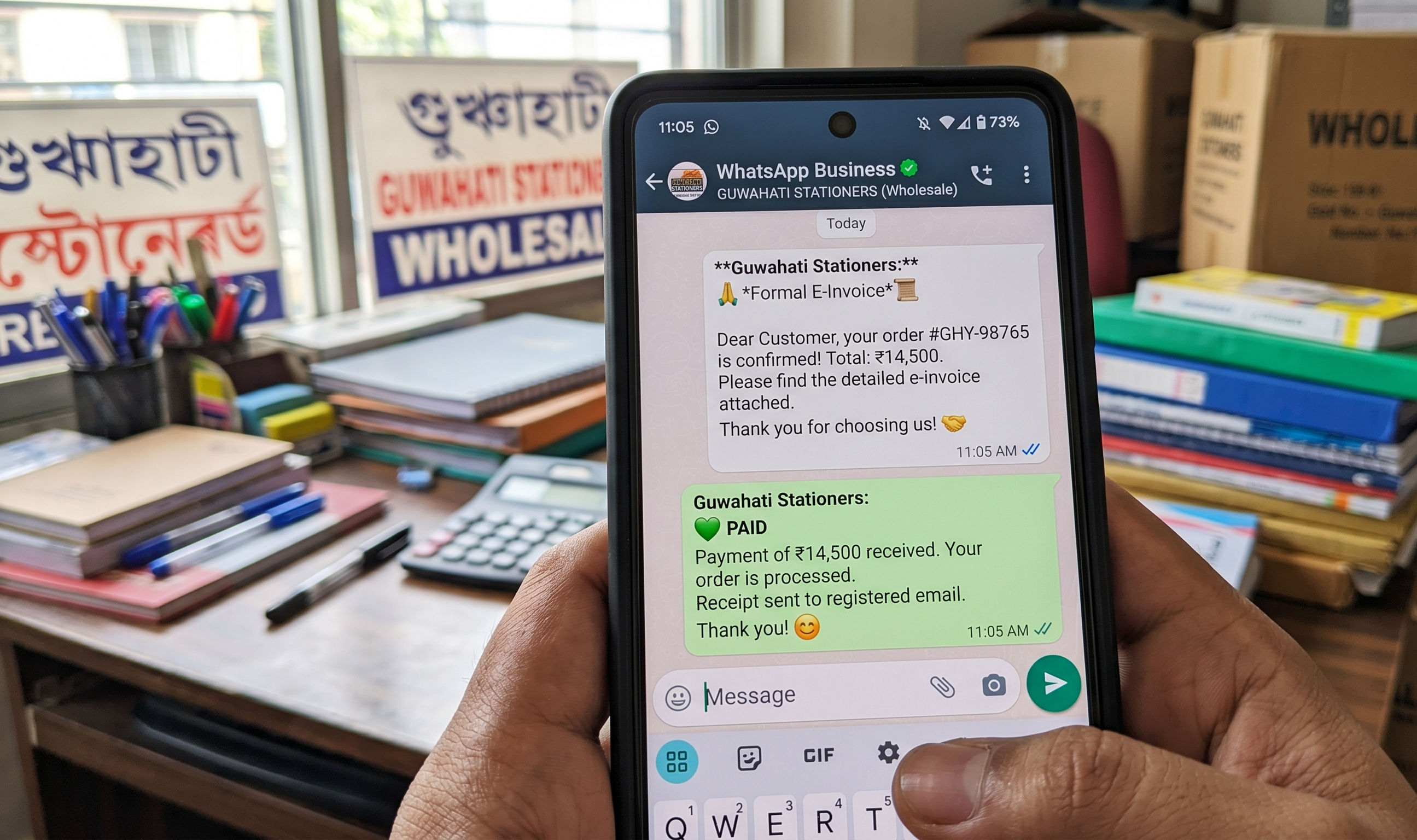
Read post →A distributor saves an invoice in Tally at 2 PM and it reaches the retailer's WhatsApp the next morning, when someone finally gets around to forwarding it. Auto invoice dispatch closes that gap to seconds and lets the invoice send itself.
Read post →Distributors switch on bill-wise tracking for sales without a second thought, because that is how they chase retailers. Almost none switch it on for purchases, so the supplier ledger stays a running blur nobody can reconcile.
Read post →A wholesaler knows his total supplier balance to the rupee. Ask him which of those bills is due on the 3rd and which on the 30th, and the lump number goes quiet. Bills Payable is the report that puts a date against each one.
Read post →A retailer says he paid last week. Which bill, though? Without the bill-level view, a distributor argues from a lump number and loses. Bills Receivable is the report that names each invoice and its due date.
Read post →Before a distributor commits to a supplier payment, one question decides it: how much is actually in the bank. Tally holds every cash and bank balance, but on the office desktop. On the phone, the position is a tap away before he commits the cheque.
Read post →Open the outstanding report of most distributors and you will find bills from two years ago that were paid, disputed, or quietly abandoned. The number at the top is wrong, and everyone half-knows it. This is how you fix it.
Read post →A distributor mixes up creditors and debtors on a call with his accountant and books a supplier payment against a retailer's account. One word confused, one ledger dirtied. Here is the cheat sheet that keeps the two sides straight, in Tally and on the phone.
Read post →A distributor out on his routes wants one number by evening: how much did we sell today. Today it means a call to the office and waiting for the accountant to open the Sales Register. The daily sales report belongs on his phone, updating as bills post, so he knows before he reaches home.
Read post →An accountant who has closed the books in the same Tally for fifteen years has one real fear about any app: that it will reach into his ledgers and change something he did not touch. The answer decides whether he trusts it, so it deserves to be said plainly.
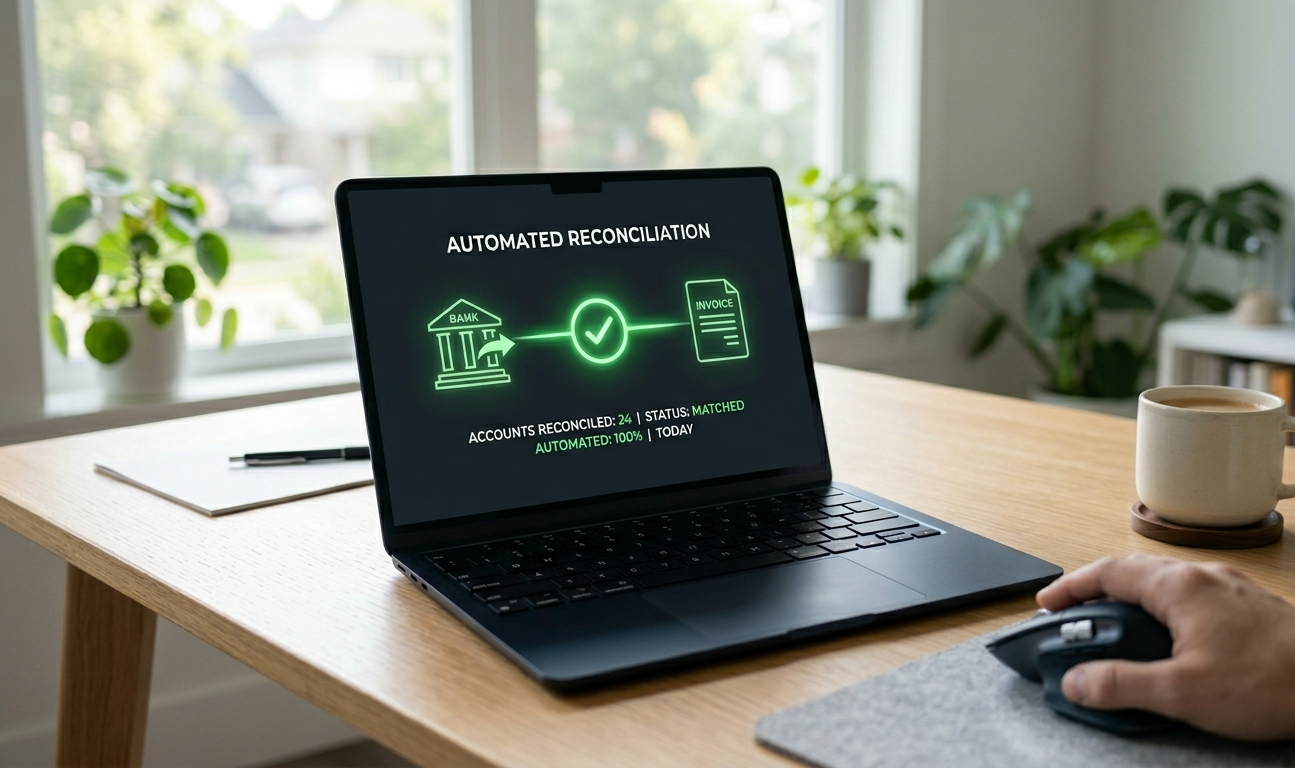
Read post →The accountant's last hour every day is spent matching bank receipts to open invoices by hand, guessing which payment settled which bill. Hands-free reconciliation is that hour giving itself back, because the receipts post to Tally on their own.
Read post →A distributor's payables desk is a stack of supplier PDFs waiting to be typed into Tally, line by line, GST by GST. Import-from-PDF reads the bill and drafts the purchase entry, so the stack turns into a review queue instead of a typing queue.
Read post →Every distribution business has its own habits. A paint distributor prices by shade, a pharma stockist tracks batch and expiry, an FMCG house runs six salesmen on fixed routes. The fair question before buying any Tally app is whether it bends to how you already work, or forces you to bend to it.
Read post →A distributor lives on which products move. The item-wise sales report tells him exactly that, in quantity and value, and on the phone he can check it while standing in the godown deciding what to reorder before the fast mover runs out.
Read post →A retailer says he owes ₹1,80,000. Your Tally says ₹2,05,000. Both of you are sure. The ₹25,000 gap is one payment he entered and you missed, or one bill he never got. Ledger reconciliation is how you find that entry instead of arguing about the total.
Read post →Most distributors have all the data in Tally and no habit of reading it. An MIS is the short, fixed list of numbers an owner checks every day so nothing important surprises him at month end, no fancy dashboard required.
Read post →The single number a distributor checks most is how much is stuck in the market. Tally holds it in the Receivables report, party by party, but only on the office desktop. On the phone, with ageing next to each party, it becomes the report he opens before every credit decision.
Read post →Every distributor has a gut feeling about which retailers carry his business. A party-wise sales report turns that feeling into a ranked list, and on the phone he can check it between routes to see who bought less this month than last.
Read post →The bill that slips is never the one you remember. It is the freight payment due on the 3rd or the retailer whose 45 days quietly became 60, lost in a lump balance nobody read as a set of dates. Due-date tracking is how you stop that.
Read post →A distributor can do three crore a month and still wonder where the money went. Turnover is not profit. The profitability report is where he sees the margin left after cost of goods, and on the phone he can watch it without waiting for the accountant.
Read post →A distributor's godown takes in twelve supplier deliveries a week, each with a paper invoice that becomes a purchase bill in Tally. Miss one, or book it without a reference, and the supplier's month-end statement will not tie out. Here is how a purchase bill works and how to keep every one of them tracked.
Read post →A distributor watches his sales closely and his buying loosely. The purchase report is the buy-side mirror: what came in, from which supplier, at what cost. On the phone he can check it before he commits to the next stock order.
Read post →The party that hurts you is never the one shouting. It is the quiet retailer whose ₹90,000 slid from 45 days to 92 while nobody was looking at the desktop. Receivables ageing on the phone catches him while it still matters.
Read post →A distributor's receivables are a timing problem spread across 150 retailers and one overworked accountant, well past what a spreadsheet holds. This is the whole playbook for running that book from a phone, start to finish.
Read post →Every distributor knows how to collect faster by leaning harder on the retailer. The problem is the retailer has three other distributors who lean less. The real skill is pulling receivable days down while the party still wants your stock.
Read post →A distributor with four salesmen on four routes runs half his business on gut feel about who is performing. A salesman-wise sales report replaces the guess with numbers, and on the phone he can see today's field performance before the team reaches home.
Read post →A distributor keeps a diary of who to call for payment, and the diary only works on the days he remembers to open it. Scheduled reminders take the diary out of his head and put it on a clock that never has a busy day.
Read post →A salesman standing at a retailer's counter needs to know one thing before he promises delivery: is it in stock. The stock summary answers that, and on the phone it stops the awkward call to the godown that loses the moment.
Read post →A distributor can name every retailer who owes him, but ask which supplier he pays this Thursday and he opens Tally on the office desktop. Sundry Creditors is that list of suppliers, and it belongs on his phone.
Read post →At 9 PM a distributor reaches for his phone to check which retailer still owes him, and Tally is on a desktop he left hours ago. Sundry Debtors is that list of retailers, and it belongs on the phone he is already holding.
Read post →A distributor's office spends more hours moving data into and out of Tally than anyone counts, because the hours are scattered across the day in ten-minute pieces. Add them up and the case for automating the data entry stops being a feeling and becomes arithmetic.
Read post →A distributor's collection depends on one person remembering to chase, and that person is already running the warehouse, the salesmen, and the bank. Putting collections on autopilot takes the remembering out of a human head and turns it into a loop that runs whether anyone is watching or not.
Read post →A distributor who has run Tally on the same office desktop for fifteen years does not want his books living somewhere he cannot point to. The good news is that his core Tally data already sits on his own machine, and there is a path for the app layer to follow if the business ever needs it.
Read post →A distributor opens Tally forty times a day, and most of those opens are typing, not thinking: post this receipt, forward that invoice, key in a supplier bill. Tally on autopilot is what happens when the typing runs itself and the owner is left with only the decisions.
Read post →Every distributor who hears 'automate your Tally' has the same fair question underneath the pitch: what exactly runs on its own, and what am I still on the hook for. This is the honest version of that answer, limits included.
Read post →A distributor's Tally file holds every party balance, every margin, and every year of history. Before he lets any of it onto a phone, he deserves a plain answer to two questions: where does the data sit, and who can actually look at it.
Read post →Ek Indore ka FMCG distributor, 90 parties, hamesha ₹38 lakh bakaya phasa rehta tha aur month-end pe ledger photo bhejne mein do din nikal jaate the. Cadence fix kiya, har invoice pe UPI link laga diya, to 4 mahine mein DSO 68 din se 49 din pe aa gaya. ₹11 lakh wapas bank mein aa gaya.
Read post →A Guwahati FMCG distributor receives ₹50,000 from a retailer who owes ₹2,15,000 across six invoices. Marked "On Account," that money floats unmatched and the ledger lies. Tagged "Against Reference" to invoice #1182, the right bill closes and outstanding reads true.
Read post →A free bill book app is the quickest way to replace a paper bahi-khata, and for a shop with no books it does a real job. For a distributor already running Tally, a generic billing app means a second ledger to reconcile, which is exactly the work a Tally-native layer removes.
Read post →A ₹12 crore FMCG distributor in Indore runs a 71-day cash conversion cycle, which means cash leaves the business 71 days before it comes back. Shave 15 days off through faster collection and roughly ₹49 lakh comes back into the bank, with no new sales.
Read post →A fabric wholesaler in Surat ships ₹2,40,000 of suiting to a retailer who pays ₹40,000 here, ₹65,000 there, across four months and six different bills. Matching those part-payments to the right invoices is the real job. A textile wholesaler collection app that reconciles bill-by-bill on a 0% MDR UPI rail is what closes the right ledger every time.
Read post →A Guwahati FMCG distributor with 64 retail parties had no written credit policy, and one party drifted to ₹4.7 lakh outstanding over 96 days before anyone noticed. A one-page credit policy with a fixed limit and a stop-supply trigger would have capped that exposure at ₹1.5 lakh. Here is the template to copy.
Read post →A Guwahati FMCG distributor is standing at a retailer's counter who wants ₹40,000 of fresh stock on credit. He needs to know the party already owes ₹1,75,000 before he loads the van. Here is how to check that party's outstanding balance in Tally, both the desktop way and the faster way from the phone.
Read post →A Guwahati FMCG distributor sits down at 9 PM to match a ₹4,80,000 bank statement against 60 receipts in Tally, half of them UPI with only a UTR to go on. Here is the classic Tally bank reconciliation flow, step by step, plus the faster way to clear UPI receipts through the day so the night session shrinks.
Read post →A Guwahati FMCG distributor has ₹1,40,000 sitting overdue across nine retail parties on a Tuesday morning. The bills are in Tally; the parties are on WhatsApp. Here is how to bridge those two, step by step, the manual way and the faster automated way.
Read post →A Dibrugarh distributor gets a WhatsApp at 8 PM: 'Bhai, statement bhej do, ₹2,40,000 dikha raha hai.' He is away from the office PC, so the answer waits till morning and the payment slips another day. Here is how to share a party ledger statement on WhatsApp from Tally, both the manual way and the faster mobile way.
Read post →A retailer sends one ₹1,00,000 UPI payment to clear three open invoices at once. In Tally that lump sum has to be split across each bill by Against Reference, or your party ledger shows the right total but the wrong open bills. Here is the exact way to do it, plus the faster auto-matched route.
Read post →Most distributors hesitate before connecting any app to their Tally, and that caution is correct. Your Tally machine stays the master copy and a sync app reads a working slice of your data to put it on the phone. This guide explains read versus write scope plainly and gives you a checklist to vet any vendor before you connect.
Read post →A Guwahati FMCG distributor collecting ₹40 lakh a month on a card-style payment rail at 1.8% MDR was bleeding ₹72,000 every month to processing charges he never saw on a statement. Move that collection to a 0% MDR UPI link and the ₹72,000 stays in his account.
Read post →A fertilizer and seed distributor in Nashik ships ₹40 lakh of stock to 80 krishi kendras before Kharif sowing, then waits for the harvest to get paid. His DSO sits at 130 days, money tied up across two crop cycles. For agri-input, receivables are not a calendar problem, they move with the monsoon and the mandi. An agri-input distributor receivables app has to track that, not pretend it is a 60-day trade.
Read post →A paint distributor in Nagpur stocks Asian Paints and Berger across 140 hardware shops and a handful of project contractors. His ledger sits at ₹62 lakh outstanding, the company wants its scheme settlement on time, and three painters paid the same ₹18,500 yesterday. A Tally collection app that runs on a 0% MDR UPI rail fixes both the cash crunch and the nightly reconciliation.
Read post →Subah 9 baje aap office se nikal jaate hain aur Tally screen raat tak nahi dikhti. Tab tak ek party ka ₹1,40,000 ka outstanding aapko pata hi nahi chalta aur salesman fresh credit de aata hai. Yahan seedha bataya hai ki phone pe Tally data kaise laayein, step by step.
Read post →A Guwahati FMCG distributor with 140 retailers on monthly terms loses three working days every cycle chasing the same ₹40,000–₹60,000 dues. Understanding UPI AutoPay versus link-based collection tells him which mechanism actually fits a 30–90 day distribution book today.
Read post →A Guwahati FMCG distributor gets a WhatsApp screenshot at 9 PM: a retailer paid ₹47,800 but didn't say against which invoice. The UTR number on that payment is the one thread that links the bank credit back to the exact Tally receipt and closes the bill without a phone call.
Read post →A Guwahati FMCG distributor collecting from 140 retailers shares one VPA UPI ID like business@axisbank on every invoice. One retailer pays ₹62,400 against three bills, the money lands in the current account, and the receipt matches back into Tally the same evening.
Read post →A dairy distributor in Anand delivers milk and curd to 180 retailers every morning, most paying ₹1,200 to ₹4,000. At 3-5% margin and that volume, even a 0.5% MDR is around ₹2,70,000 a year skimmed off the thinnest margins in distribution. For dairy distributor collection, 0% MDR is not a perk, it is margin you keep.
Read post →An electrical distributor in Ludhiana ships ₹2,40,000 of switchgear and cable to a contractor against a running site bill, then waits 78 days for payment. One delayed invoice that size ties up real working capital. For electrical distributor collection, faster receipts on a 0% MDR rail free cash a thin-margin trade cannot afford to leave parked.
Read post →A Dibrugarh distributor raises ₹1,00,000 of invoices a day and pays roughly ₹1,000 in gateway MDR to collect it online. That is ₹3,00,000 a year to receive his own money. Accepting payment on Tally invoices over a 0% MDR UPI rail puts that back in his pocket. Here is how it works.
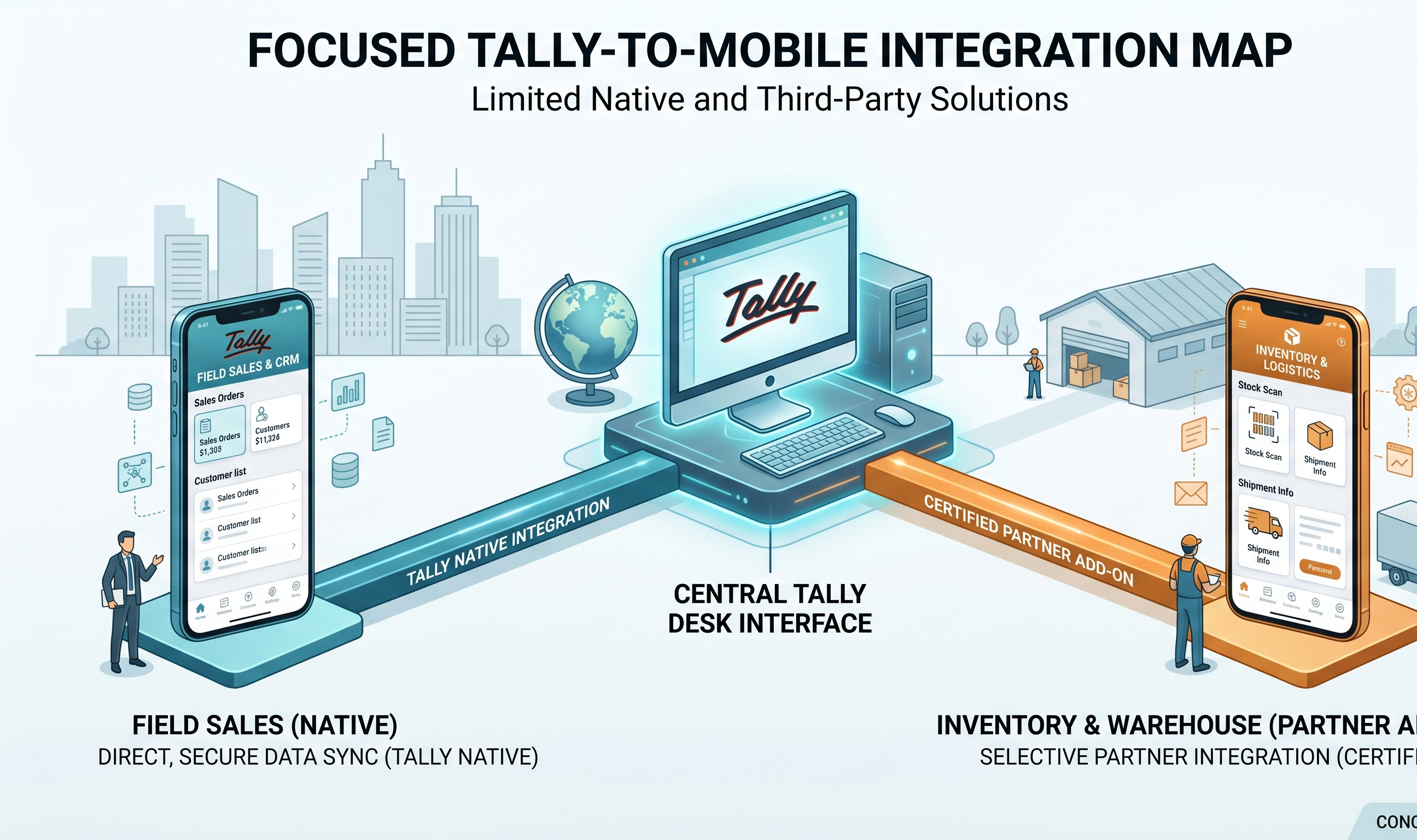
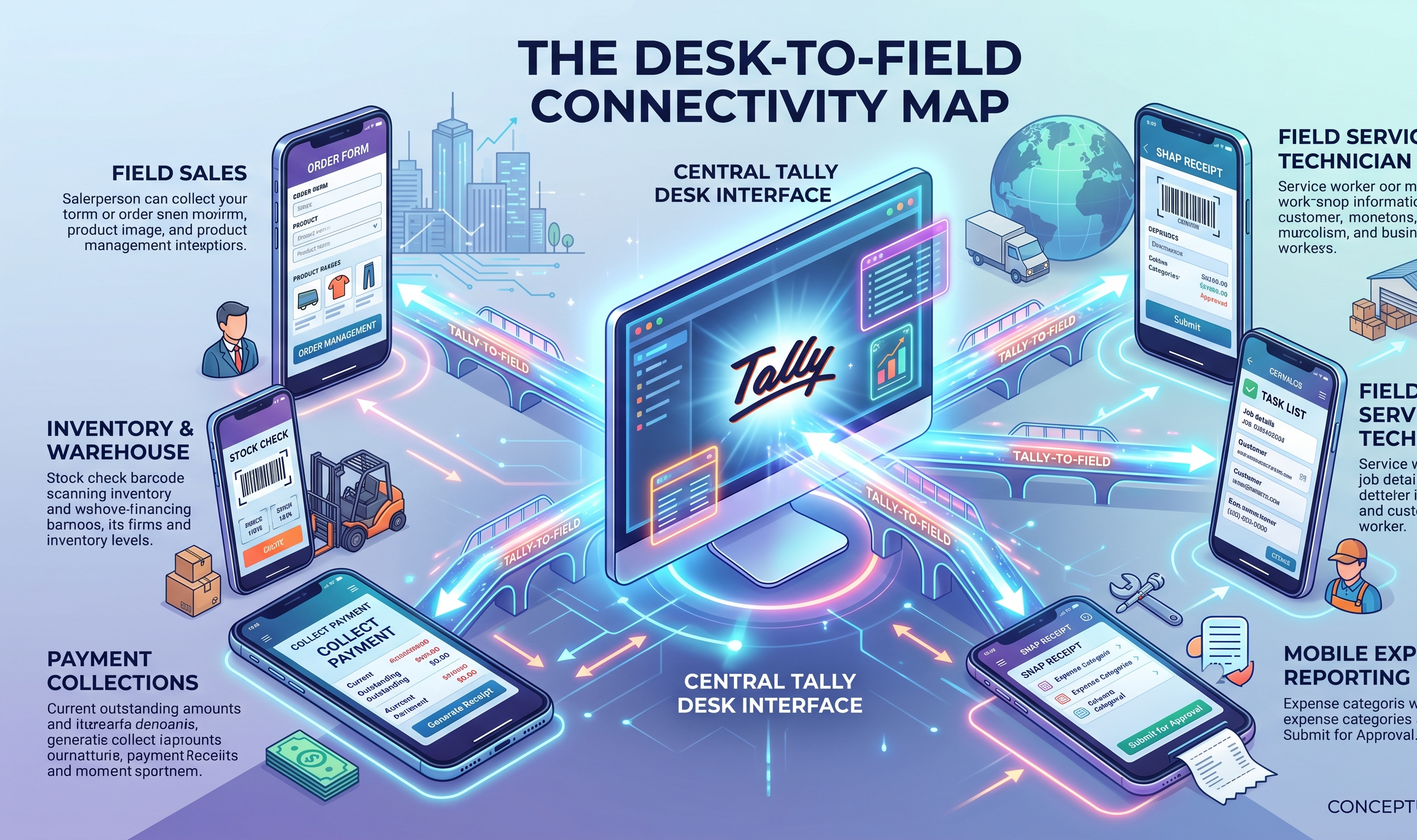
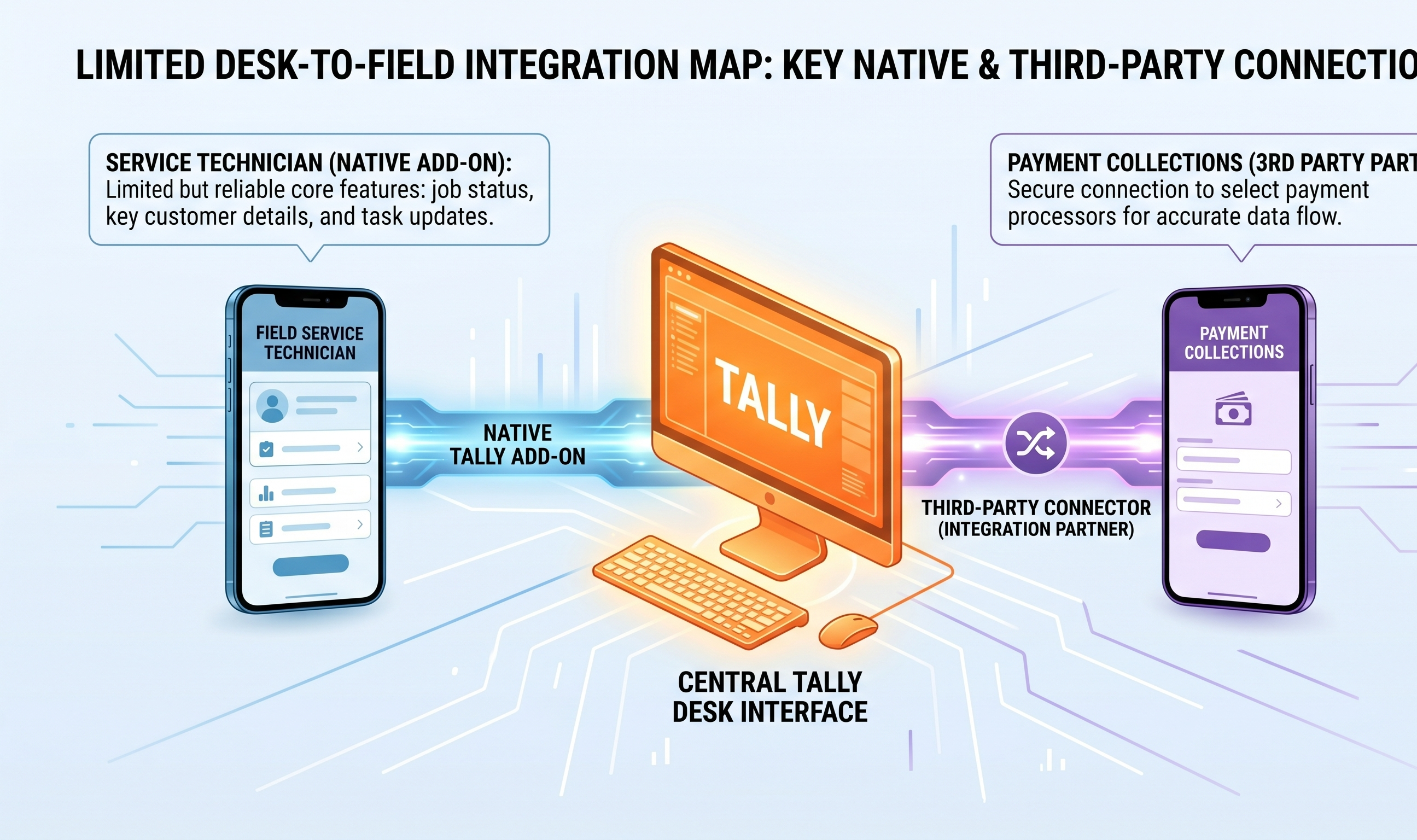
Read post →Tally runs the books, but it lives on a desktop, and distribution happens in the field. A handful of mobile add-ons try to bridge that gap. They are not all the same product. Sorting them by the job they actually do, from viewing to collecting, makes the choice obvious for where your business is.
Read post →BharatPe built its name on a 0% MDR UPI QR, and that claim is honest. UPI person-to-merchant payments carry no MDR for anyone right now. The real question for a distributor is not the fee. It is whether a generic QR knows which of your Tally invoices the money just settled.
Read post →BUSY is a solid desktop accounting and inventory package, and plenty of distributors compare it head to head with Tally. The more common real question is different. The distributor already runs Tally and wants the mobile collection layer that no desktop accounting package, BUSY or Tally, was built to be.
Read post →A Barpeta distributor sends invoices on WhatsApp, then chases the same parties for payment a week later on the same WhatsApp. The invoice and the money live in two separate conversations. Collecting payment against a Tally invoice in one WhatsApp thread closes that gap. Here is the loop, party by party.
Read post →A Barpeta distributor installed a free Tally mobile app, loved seeing outstanding on his phone, then hit the wall the first time he tried to log a ₹42,000 receipt and could not. The free tier showed him the problem and could not let him fix it. Here is the honest line between free and paid.
Read post →A Guwahati FMCG distributor doing ₹6 crore a year on a 1% gateway loses ₹6,00,000 to MDR annually, the cost of two salesmen, to receive money he already earned. Working out how much distributors lose to MDR every year is the fastest way to see where a 0% rail pays for itself.
Read post →A Guwahati FMCG distributor leaves the office at 9 AM and does not see his Tally screen again until night. By the time he checks a party's ₹1,40,000 outstanding, the salesman has already given fresh credit. Here is how to put that Tally data on the phone, step by step, across the four ways that actually work.
Read post →A salesman in Guwahati collects ₹87,000 across four parties before lunch, scribbles the amounts on the invoice copy, and the accountant types them into Tally at 9 PM. Two get matched to the wrong invoice. Recording the payment in Tally on mobile, the moment it lands, ends that. Here is the exact flow.
Read post →A distributor in Dibrugarh spent a week searching the Play Store for the 'real' Tally app, sure he was missing it. He was not. There is no official Tally mobile app, and once you accept that, the right choice gets a lot clearer. Here is what every path actually is.
Read post →Three retailers each paid a Barpeta distributor ₹14,320 on the same afternoon and all three sent a WhatsApp screenshot. UPI moved the money for free. Working out which screenshot cleared which invoice cost the accountant an hour. Is UPI free for merchants? The payment is. The mess around it is not.
Read post →Marg ERP is a capable desktop billing and inventory system, strong in pharma and FMCG distribution. The question most distributors actually ask is narrower. They already run Tally and want the field collection and reconciliation layer Marg's desktop core was never built to be.
Read post →myBillBook is a clean mobile billing app, and for a small shop with no accounting system it is a fine place to start. For a distributor who already runs Tally, the trade is different. Billing apps ask you to keep your real numbers in a second place, away from the books your CA files from.
Read post →A Dibrugarh distributor raises every invoice in Tally already. The gap is that collecting against it means a separate gateway taking a cut. Nil MDR UPI collection on Tally invoices closes that gap: the link rides on the invoice, the money lands whole, and the receipt posts itself back.
Read post →OkCredit replaced the paper udhaar book with a phone, and for a small shopkeeper that was a real step forward. A distributor running 100 retail parties on Tally needs more than a digital khata. The balance has to tie to a GST invoice, and the payment has to land back in the books.
Read post →Plenty of apps say 'zero MDR'. Read the fine print and one charges ₹3 a transaction, another routes UPI through a paid gateway, a third does not touch Tally at all. A zero MDR UPI app that is genuinely free and posts back into Tally is rarer than the marketing suggests. Here is what to actually check.
Read post →A Guwahati distributor signed up for a payment gateway that quoted '1% and nothing else.' A year later, between MDR, a monthly platform fee, and a per-transaction charge, the real cost was closer to ₹2.6 lakh on ₹2 crore collected. Payment gateway charges are rarely the one number on the brochure.
Read post →Paytm for Business is a strong payment-acceptance product, built for the counter, the soundbox, and a wide spread of payment instruments. A distributor's question is narrower than payment acceptance. It is whether the receipt knows which Tally invoice it just settled, and gets there on its own.
Read post →Razorpay is an excellent payment gateway, built for online businesses and developers who want a payment link or a checkout in their app. A Tally distributor is neither. They want the payment tied to a bill in Tally, collected without a platform fee, and posted back to the books on its own.
Read post →A Guwahati distributor's three salesmen all carry ₹8,000 Android phones, not laptops. He wants Tally on those phones and keeps hitting the same wall: there is no Tally app to install. Here is what a Tally mobile app for Android really is, what syncs to the phone, and what it can and cannot do against the office machine.
Read post →A Guwahati accountant stays back every night to match the day's UPI credits against invoices in Tally. Forty receipts, ninety minutes, two errors. Moving Tally payment reconciliation onto mobile with auto-matching turns that ninety minutes into zero. Here is how the matching actually works.
Read post →A distributor on a Barpeta route opens AnyDesk to check a party's ledger and waits 40 seconds for the screen to draw on a 2G connection. By then the retailer has moved on. The same check on a native companion app loads from cache in under a second. This is the real gap between Tally remote access and a mobile app.
Read post →A Dibrugarh distributor assumed all his UPI collections were free, then noticed a quiet ₹3-per-receipt fee on his collection app. Across 6,000 receipts a year that is ₹18,000 he never agreed to. UPI MDR charges are mostly zero, but the fine print is where distributors bleed.
Read post →A Guwahati distributor collects in all three: cash that leaks and needs counting, the rare card that costs 1.5%, and UPI that should be free but is not on his current app. Laying the UPI vs card vs cash collection cost side by side shows where the money and the hours actually go.
Read post →A Dibrugarh distributor's wife runs the books while he runs the routes. He calls her six times a day to ask one question: what does this party owe. Putting Tally reports on mobile ends those calls. Here is exactly which reports a distributor reads from the phone, and where viewing stops being enough.
Read post →A Guwahati distributor collecting ₹2 crore a year on a payment gateway at 1% MDR pays ₹2,00,000 a year just to receive his own money. He never sees the line item because it is netted off before the money lands. Understanding what MDR is, is the first step to stopping that leak.
Read post →An FMCG distributor in Guwahati collects from 220 kirana stores a day, most paying ₹3,000 to ₹15,000. A ₹3 per-transaction fee on that volume is ₹1,98,000 a year, even at 'zero MDR'. For FMCG, the per-receipt fee hurts more than the percentage. Zero MDR UPI for FMCG distributors only counts if it is truly zero.
Read post →A pharma distributor in Guwahati runs on 4-5% margins and waits 60-75 days to get paid by chemists. A 1% MDR on his ₹8 crore turnover is ₹8,00,000 a year, a fifth of a margin point he cannot spare. Zero MDR UPI for pharma distributors is not a nice-to-have; it is margin he keeps.
Read post →Zoho Books is a clean cloud accounting product, and its mobile access is genuinely better than a desktop ledger sitting in the office. For a distributor on Tally, the pull toward Zoho is usually about reaching the books from a phone. That specific gap can be closed without moving your accounting to the cloud at all.
Read post →A Nagpur FMCG distributor employs two people whose whole job is receivables: one types invoices from delivery notes, the other matches bank receipts to bills every evening. Accounts receivable automation does not fire those two people. It moves them off data entry and onto the retailers who actually need chasing.
Read post →A distributor in Rajkot used to keep a diary of who to call for payment. Some days he called, some days he forgot, and the retailers learned which suppliers chased and which did not. Automating payment reminders takes the diary out of his head and turns it into a system that never forgets and never sounds the same twice.
Read post →A distributor evaluating CredFlow usually is not looking for a clone. They are looking for a tool that fits a Tally-anchored, field-heavy, UPI-collecting business. This is an honest roundup of the credflow alternatives worth shortlisting in 2026, and where each one actually fits.
Read post →Most Tally mobile apps stop at showing you the outstanding report on a phone. For a distributor with ₹1.5 crore floating across 200 retail parties, reading the number is the easy part. The best Tally app for receivables is the one that closes the loop from invoice to collection to reconciliation.
Read post →Most Tally mobile apps read from Tally and stop there. You see yesterday's data on the phone, but anything you do on the phone never makes it back. Bidirectional Tally sync is the difference between a mirror you can only look at and a workspace you can actually act in.
Read post →Three tools come up again and again when a Tally distributor looks for a collection app: CredFlow, Biz Analyst, and Takkada. They are built around three different ideas of the job. This is the full three-way comparison, with the single matrix a distributor needs to decide.
Read post →A distributor comparing collection tools usually finds the real cost hidden in the MDR, not the sticker price. Takkada pricing is built the other way around: a flat annual subscription you can read off a table, and 0% MDR on UPI so the collection rail itself adds nothing per transaction.
Read post →A ₹14 crore electricals distributor in Indore is choosing between two receivables tools for the next two years. The decision comes down to four things: what UPI collection costs, whether his salesmen can invoice from the phone, how deep the Tally sync runs, and what happens at 9 PM when receipts have to be matched.
Read post →A Guwahati FMCG distributor with 180 retail parties spends his evenings asking the same question: which retailer paid today, and which invoice did the money settle. Takkada is the app that answers it from his phone, and posts the receipt back into Tally before he gets home.
Read post →Every Indian retailer already lives in WhatsApp. The invoice, the reminder, and the payment do not need three different channels. This is the playbook for running the whole collection cycle inside the one app the retailer already checks fifty times a day.
Read post →A distributor who invoices ₹1 crore in a month and collects ₹85 lakh that month has a collection efficiency of 85%. The number sounds technical. What it actually measures is whether the credit being extended is coming back as cash on the schedule the business needs.
Read post →CredFlow is a serious B2B receivables product with strong analytics. For a ₹5–30 crore distributor running on Tally, the gaps that matter are pricing on UPI collections, salesman-side invoicing on the phone, and how cleanly receipts land back inside Tally.
Read post →A pharma distributor in Nagpur with ₹8 crore annual turnover and a 72-day DSO is floating ₹1.58 crore in unpaid invoices at any given moment. Cut that to 45 days and ₹60 lakh comes back into the business — no new customers, no extra sales.
Read post →A salesman who calls back to the office to check if 200 cartons of detergent are in stock has already lost the order. A field order collection app for Tally puts live stock, prices, and credit limits in his hand, so the order is closed at the retailer's counter.
Read post →Khatabook helped over 10 lakh kirana shopkeepers track who owes them money. But a distributor with 180 retail parties, GST invoices, and a Tally backbone needs more than a digital bahi-khata. Here is the gap, and what a distributor-grade collection app looks like.
Read post →An Indian distributor often runs three businesses out of one office: a parent FMCG firm, a sister pharma firm in the spouse's name, and a hardware vertical under the son. Three Tally companies, three sets of books, one owner who needs to see all of it on one screen.
Read post →A partywise outstanding statement in Tally is the document a retailer disputes against, an auditor relies on, and a collection call references. Sent badly, it gets ignored. Sent with a UPI link, it gets paid.
Read post →Two distributors with the same ₹15 crore turnover can have wildly different payment collection costs. One pays ₹15 lakh a year in MDR; the other pays ₹0. The difference is the architecture, not the volume.
Read post →The owner of a Nagpur pharma distributor bought Biz Analyst for his three salesmen in 2023. They used it for four months, then went back to calling the office accountant before every delivery. The problem was not the app — it was that the app could only answer half of the salesman's questions.
Read post →A distributor who manually shares invoices on WhatsApp spends 20–40 minutes per day on the task when volumes cross 30 invoices. Auto-dispatch eliminates that entirely and starts the payment clock before the goods arrive at the retailer.
Read post →A UPI collection app for distributors in India is not the same as a payment-gateway product. The distributor's job is to collect ₹15,000 from 180 retailers, every week, against Tally invoices. Here is what a UPI collection app built for that workflow has to do.
Read post →A WhatsApp invoice that is just a PDF attachment converts 2× slower than a WhatsApp invoice that is a PDF, a one-line summary, and a tap-to-pay UPI link. The format matters as much as the timing.
Read post →A distributor in Pune collecting ₹8 crore a year on UPI through a 1% MDR gateway is paying ₹8 lakh annually for the privilege of moving his own money. Zero MDR is not a discount, it is a different payment architecture.
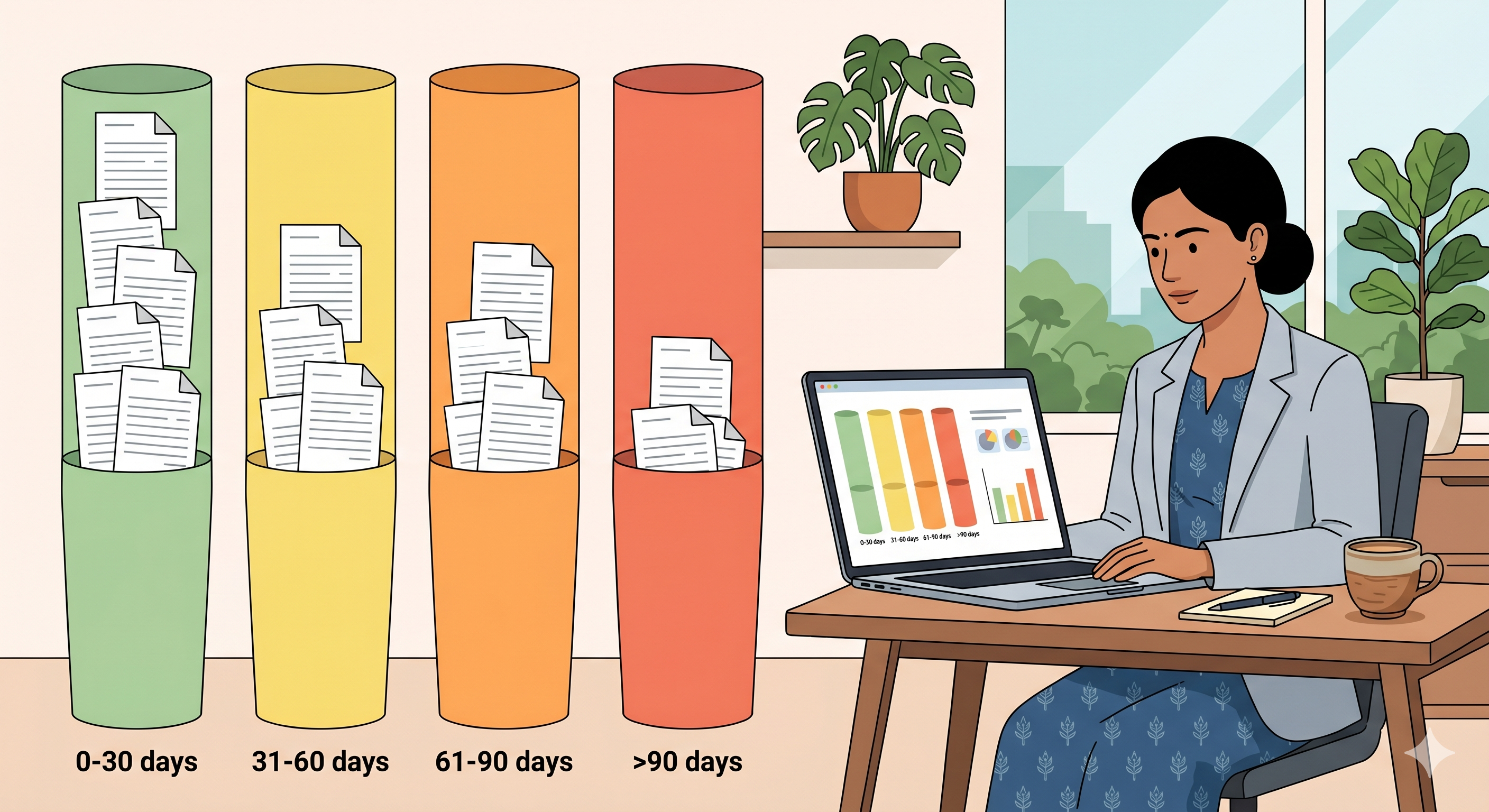
Read post →An aging report in Tally is a list of every open invoice grouped by how long it has been outstanding. The buckets are usually 0 to 30, 31 to 60, 61 to 90, and over 90 days. It is the single most important report a distributor's accountant can pull on a Monday morning.
Read post →A bad debt write off is the accounting decision to remove an unrecoverable receivable from the books and recognise it as a loss. Most Indian distributors carry bad debts on their books for years longer than they should, partly out of hope and partly because the GST and income tax treatment is misunderstood. Both choices cost money.
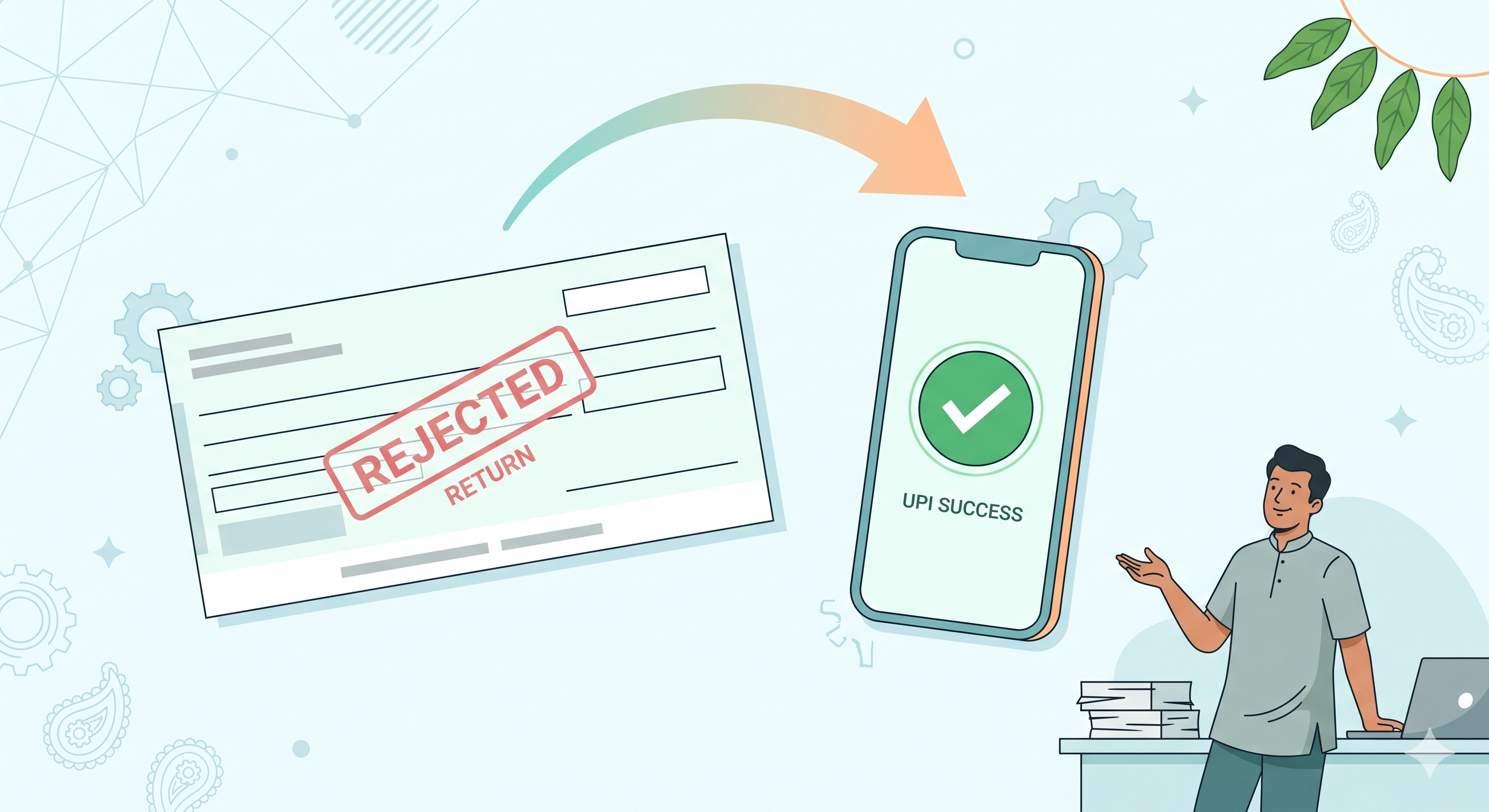
Read post →A cheque bounces when a retailer's cheque is returned unpaid by the bank, usually with the reason "insufficient funds" or "funds insufficient". For an Indian distributor, this is one of the most stressful events in the operating year. The legal remedy under Section 138 of the Negotiable Instruments Act exists, but most distributors either do not invoke it correctly or settle out of fatigue. Both are expensive.
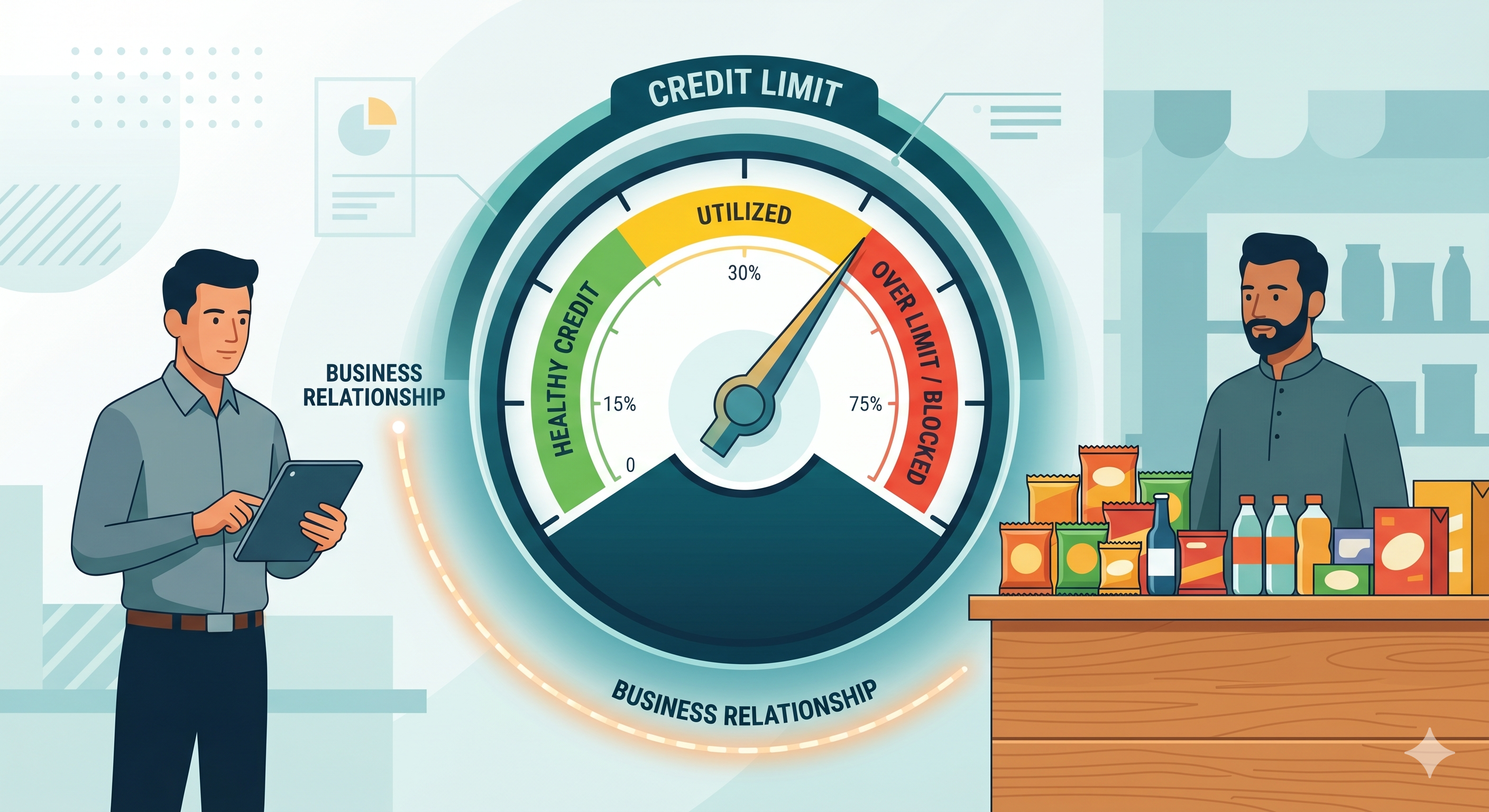
Read post →A credit limit is the maximum amount a distributor is willing to let a single retailer owe at any point in time. It is the most under-used risk tool in Indian B2B distribution. Most distributors set credit limits informally in their head, never enforce them in their software, and only react when a party is already 90 days overdue on a large amount.
Read post →DSO, or Days Sales Outstanding, is the average number of days a distributor takes to collect cash after raising an invoice. It is the single cleanest number that tells you whether your collections operation is keeping up with your sales team.
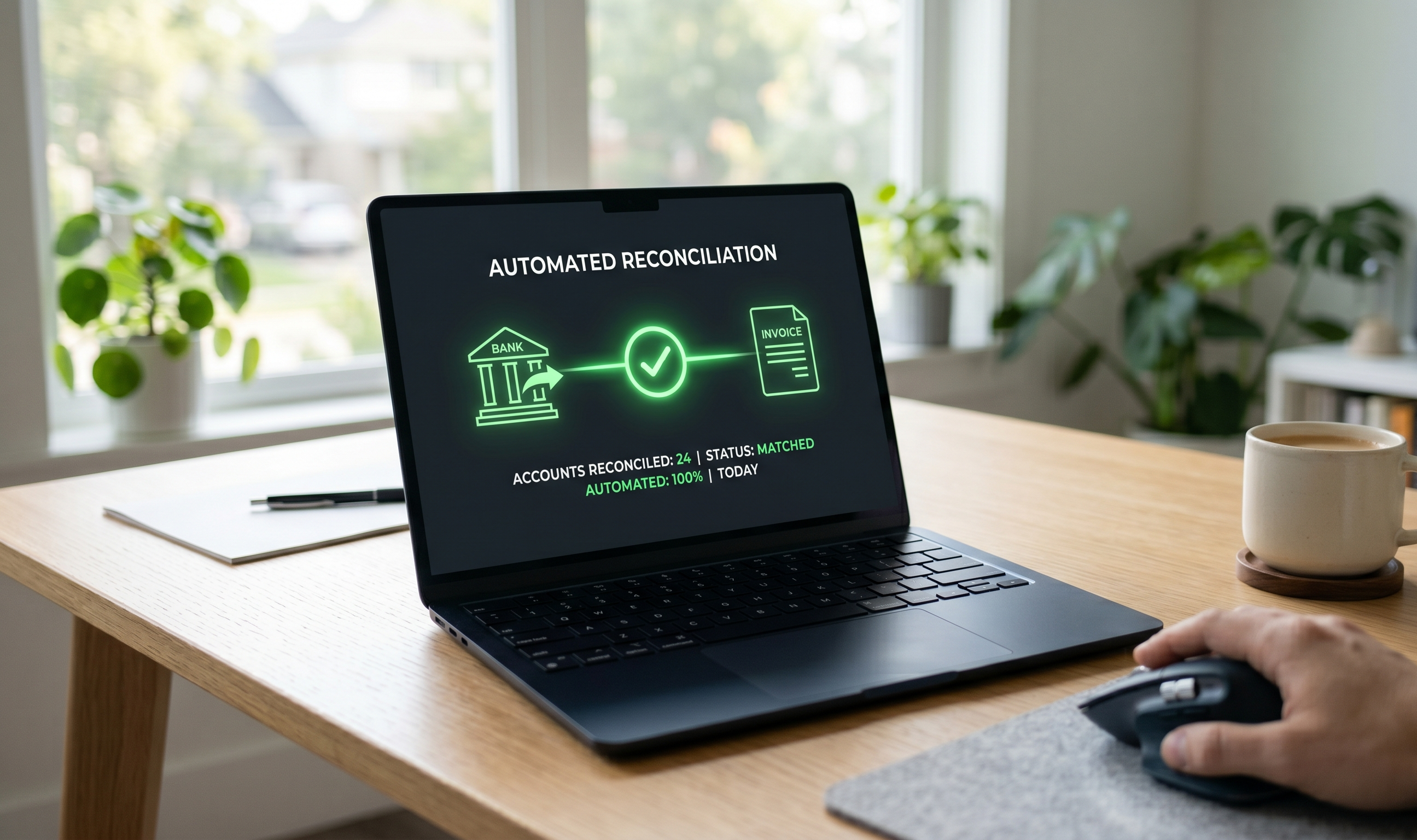
Read post →Auto reconciliation Tally refers to the process of automatically matching incoming bank receipts to outstanding sales invoices in Tally, and then posting receipt vouchers in Tally without human data entry.
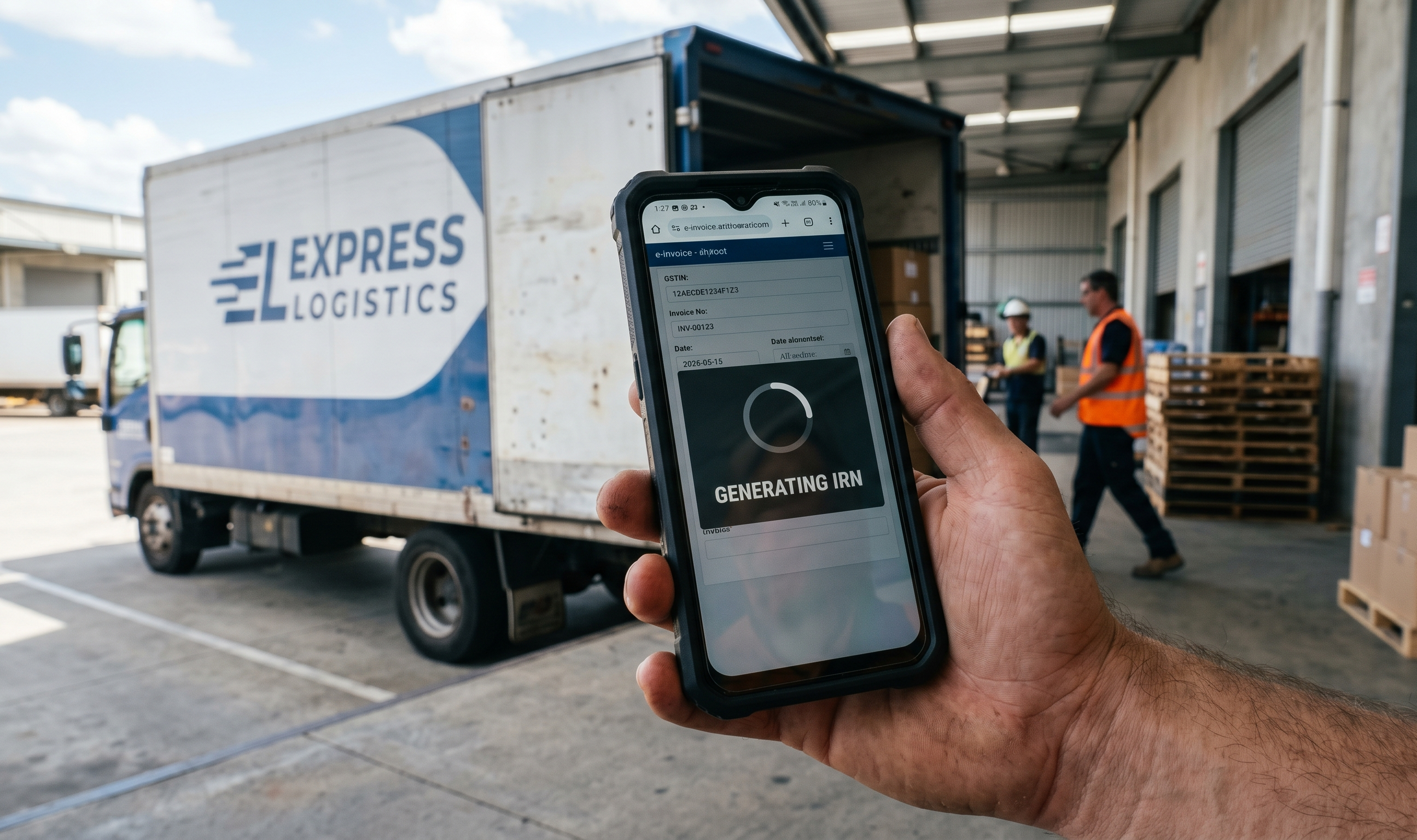
Read post →The Indian government has lowered the e-invoicing threshold in waves: ₹500 crore in 2020, then ₹100 crore, ₹50 crore, ₹20 crore, ₹10 crore, and ₹5 crore as of 1 August 2023. Any B2B invoice from a business above this turnover needs an IRN (Invoice Reference Number) generated through the Invoice Registration Portal before the goods move or the service is delivered.
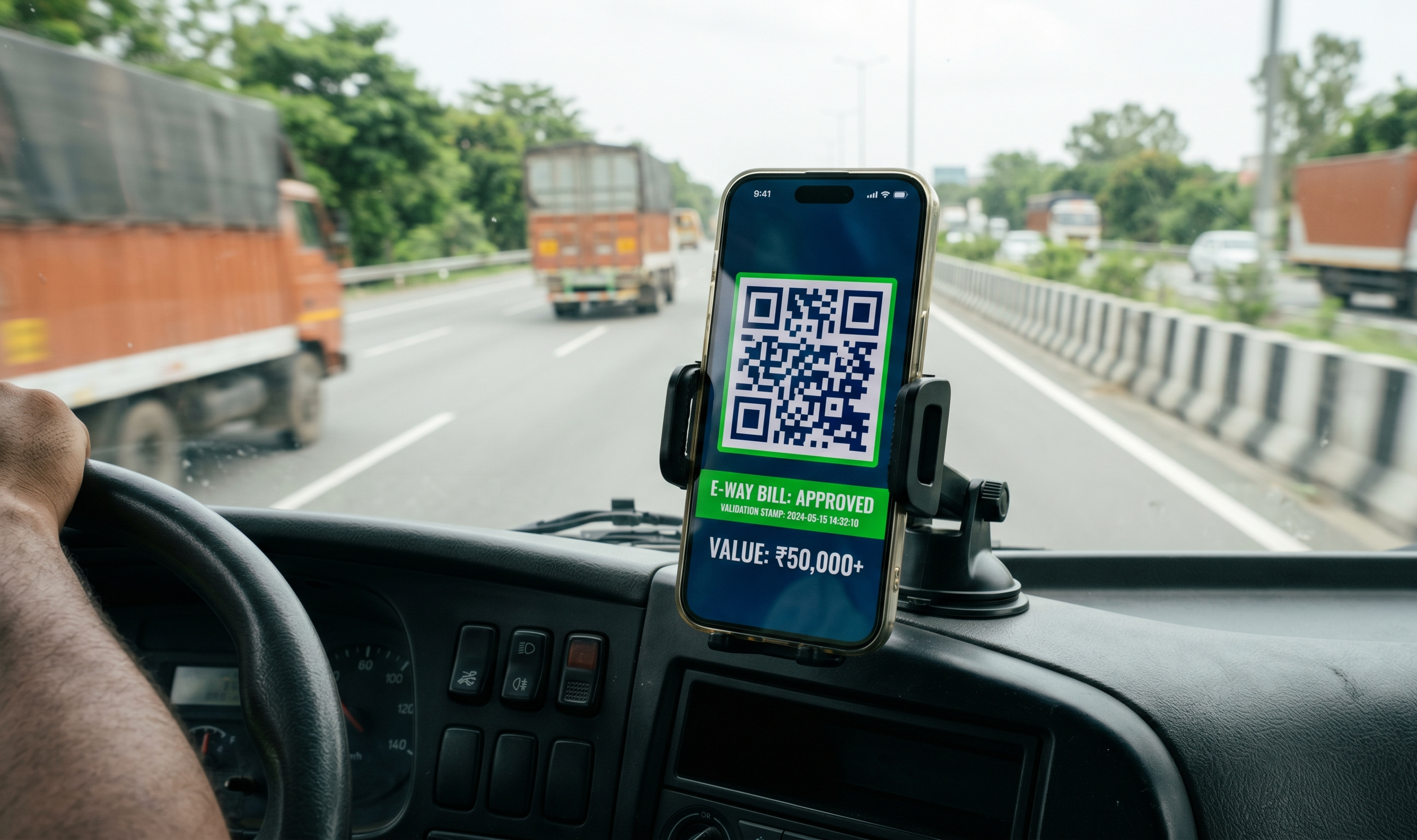
Read post →Under the current GST rules, an e-way bill is required any time goods worth more than ₹50,000 move between two locations on a conveyance. The threshold is ₹50,000 per consignment for most goods, lowered in specific states and for specific sensitive items. All interstate movement above ₹50,000 is covered; intra-state rules vary slightly by state but most follow the same threshold.
Read post →A mid-sized distributor — say ₹15 crore turnover, 80 to 120 retail parties, 30 to 50 B2B invoices a day — carries roughly this monthly compliance load:
Read post →India has roughly 450,000 to 500,000 active distributors and several million wholesalers, by industry estimates. Across this base, the rough operational rhythm of how Indian distributors manage collections breaks into three tiers.
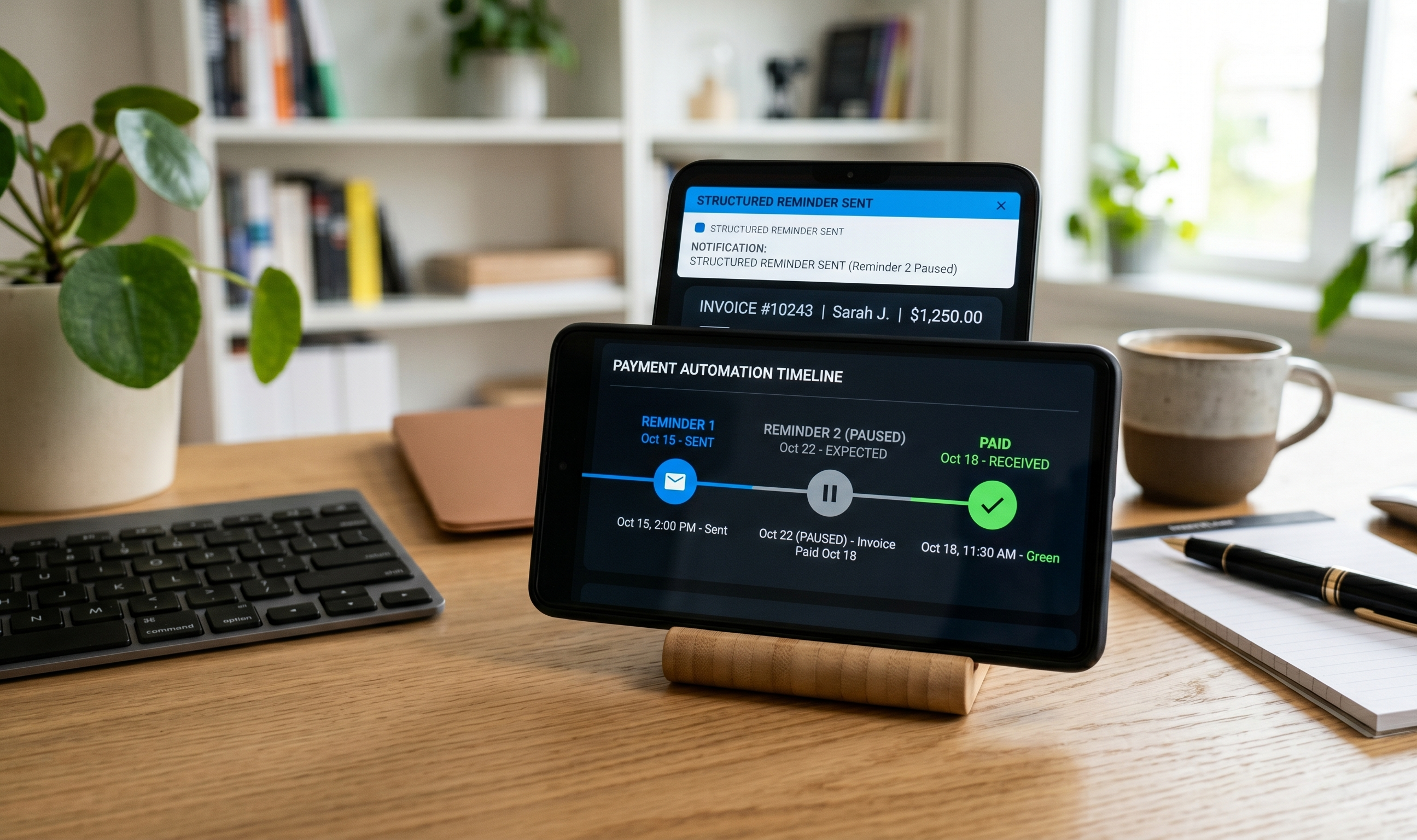
Read post →An outstanding payment reminder app is a software layer that tracks every open invoice across every party, sends structured reminders at the right intervals, pauses those reminders automatically when the invoice is paid, and keeps the reconciliation back to Tally or another ledger system in real time.
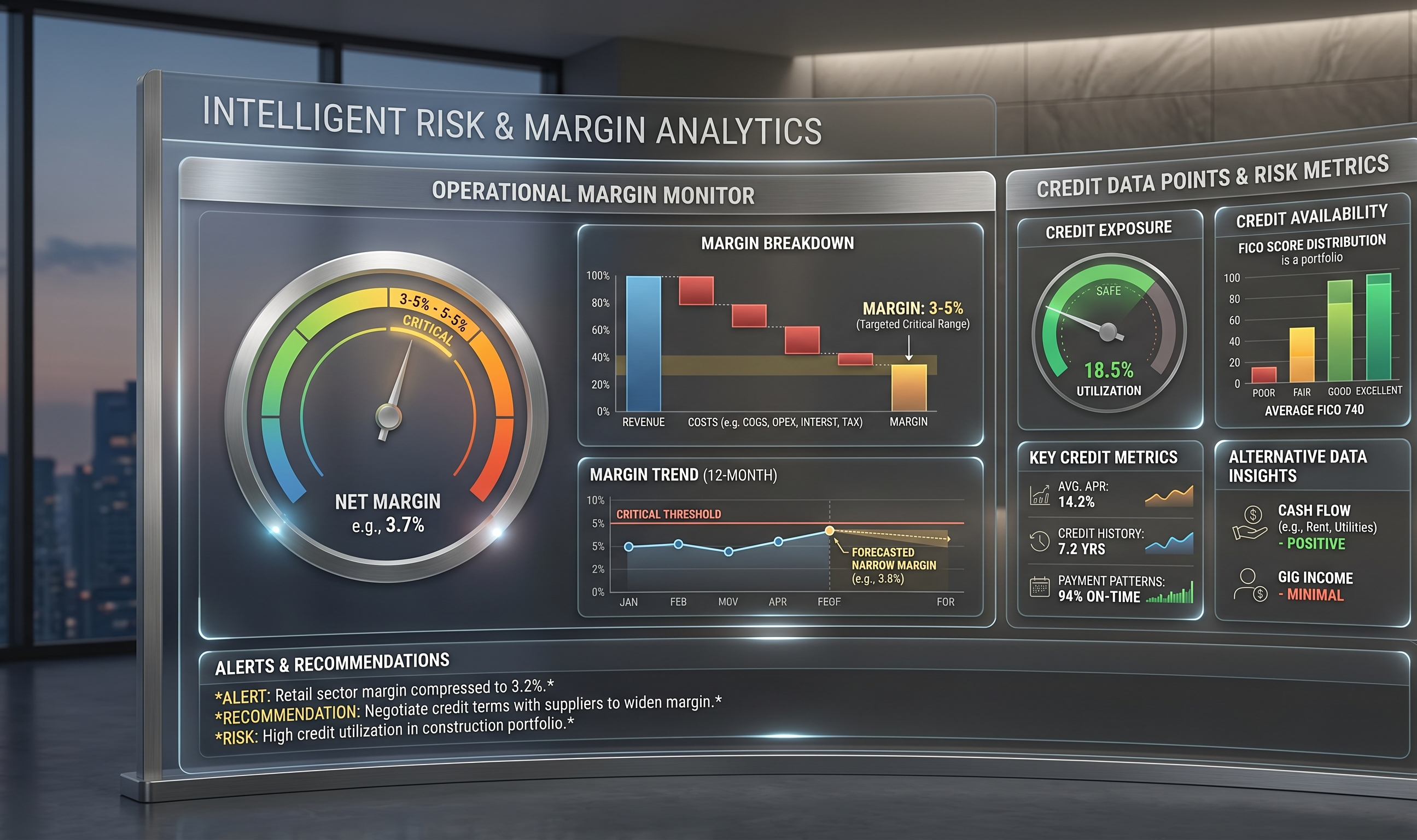
Read post →Margins of 3 to 5%. Credit terms of 30 to 90 days. Customer concentration risk on 20 to 40 parties that each owe somewhere between ₹50,000 and ₹8 lakh. This is the shape of most Indian distributor balance sheets.
Read post →A payment gateway processes the transaction between the customer's bank and yours. For an Indian MSME, the gateway is the layer that lets you accept UPI, cards, net-banking, and (increasingly) BNPL on a single integration. Razorpay, Cashfree, PayU, and Paytm for Business are the dominant gateways serving the MSME and SMB segment.
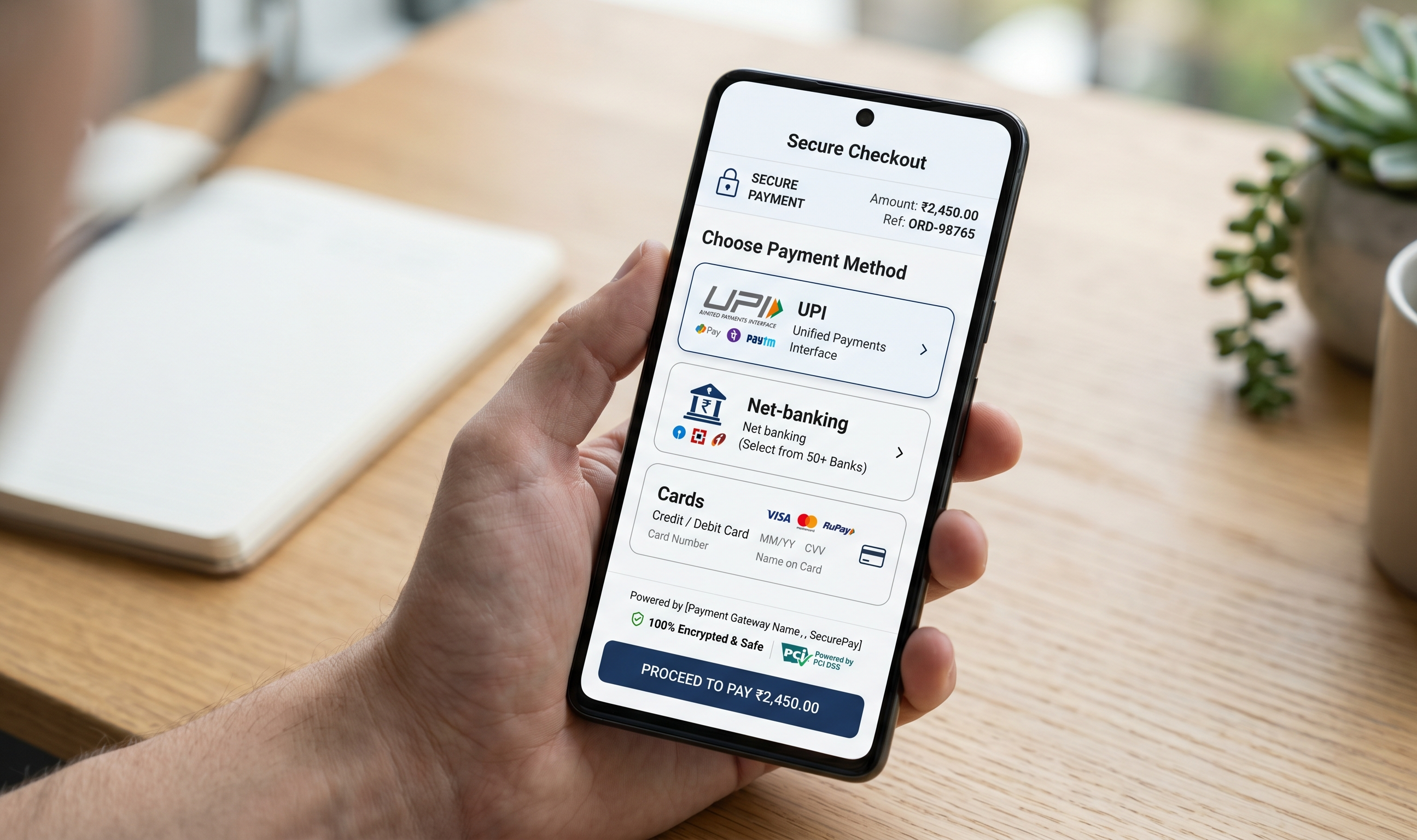
Read post →A UPI payment link is a URL that, when tapped on a phone, opens directly in PhonePe, Google Pay, Paytm or any UPI app, with the amount and merchant details pre-filled. The customer reviews, taps pay, authorises with their PIN, and the money arrives in your bank account in seconds.
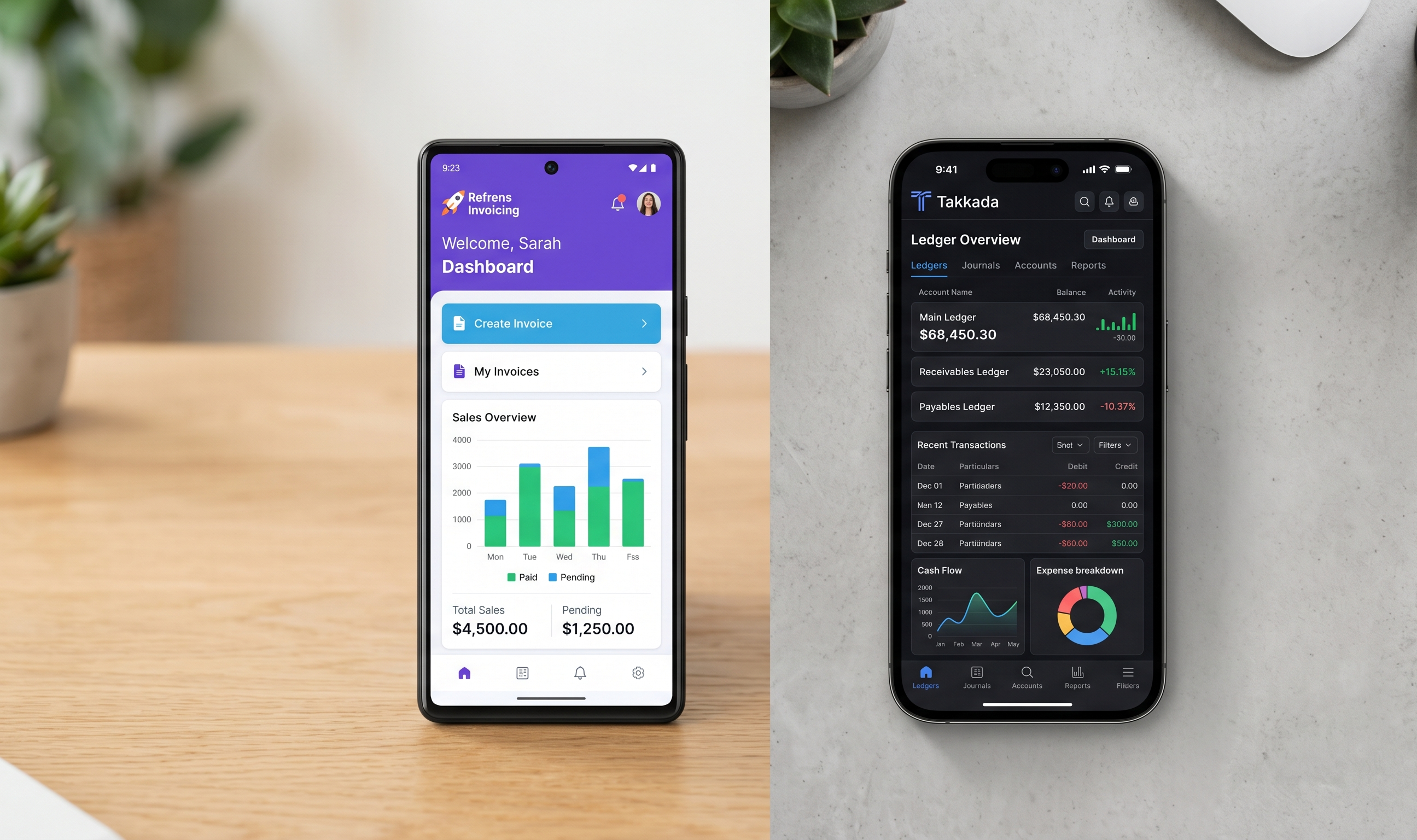
Read post →Refrens is a cloud-native invoicing, quotation, and payment platform for service businesses and light B2B sellers. It offers GST-compliant invoices, online payment collection, client management, proposal-to-invoice workflows, and basic accounting. Popular with agencies, consultants, freelancers, SaaS sellers, and small service firms. It is mobile-and-web, does not require a desktop install, and does not integrate with Tally.
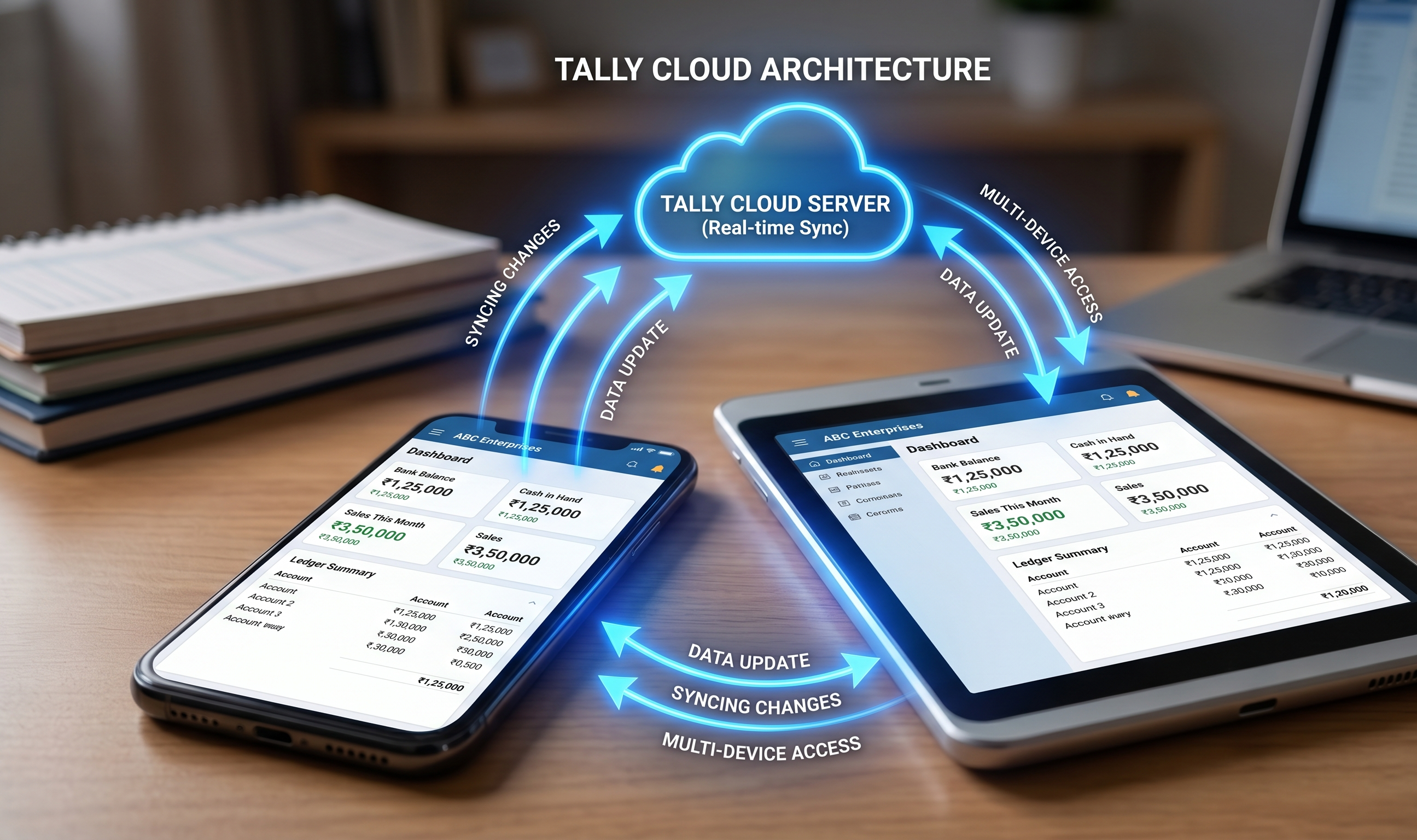
Read post →Tally Prime is Windows desktop software. Tally Solutions, the company, does not publish a cloud-native version. So when an Indian distributor sees "tally cloud" on a website or in a reseller pitch, what is being sold is almost always one of two things.
Read post →Search traffic for the phrase "tally mobile app India" spiked around 2017 when Biz Analyst crossed a million downloads on the Play Store. Since then, a whole market of add-ons has grown up around Tally Prime, most built by Tally Certified Partners or third-party SaaS companies targeting the 28,000-plus certified Tally partner network.
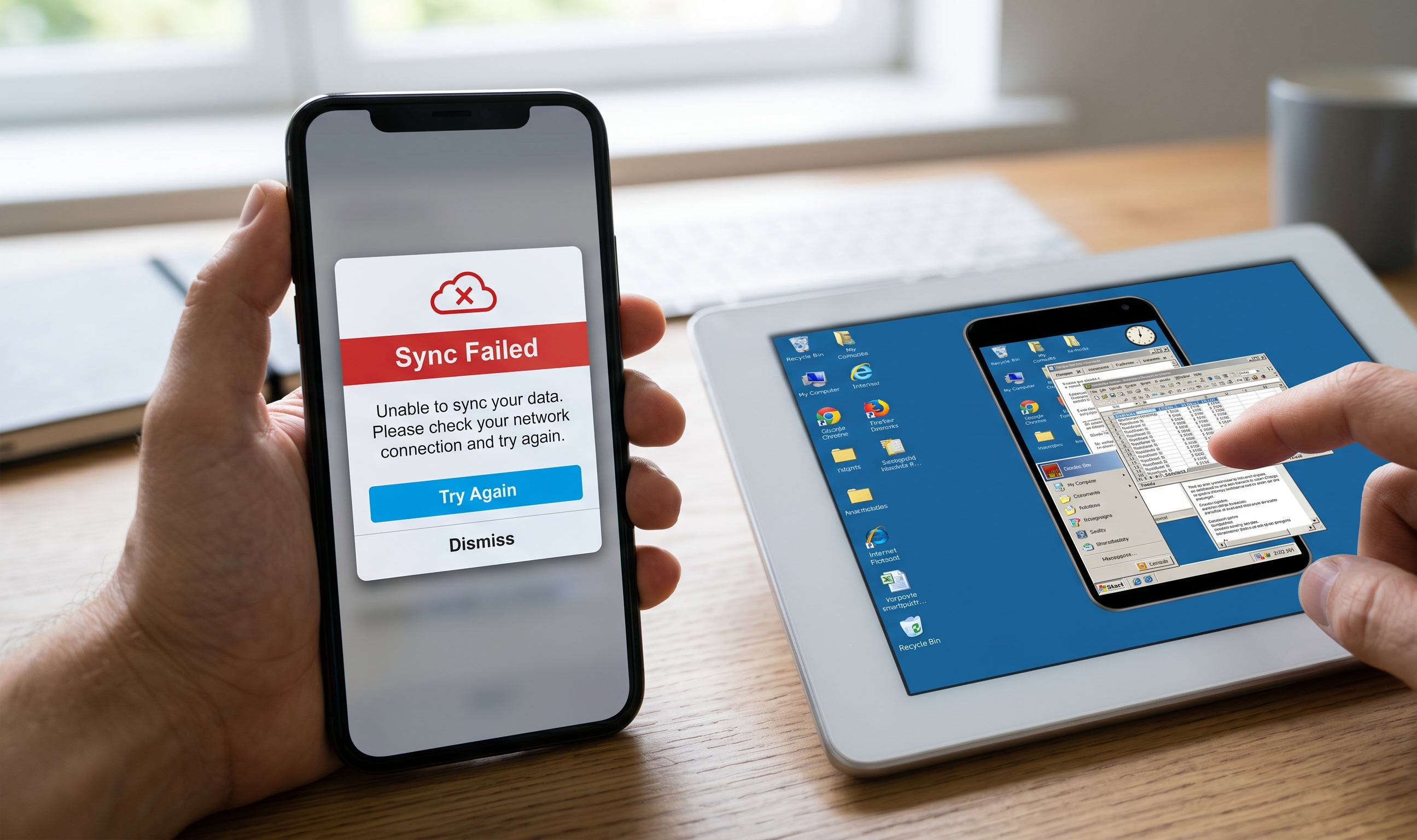
Read post →Tally Prime, and before it Tally.ERP 9, is built for Windows. The data folder lives on a single machine and multi-user licences assume a desktop keyboard-and-mouse workflow on a LAN. There is no official Tally mobile client, and that is a design decision going back to the late 1990s.
Read post →Short answer: no. Tally Solutions, the company behind Tally Prime, does not publish a native Android or iOS client. Tally Prime is a Windows desktop product, and the data folder sits on a single machine with a multi-user or single-user licence. That architecture goes back to the late 1990s and Tally has not signalled a native mobile build.
Read post →First, retailers now juggle more distributors. The average kirana or wholesale buyer buys from 7 to 12 distributors across categories, each extending 30 to 60 days of credit. Your invoice is one of dozens competing for the retailer's attention at month-end.
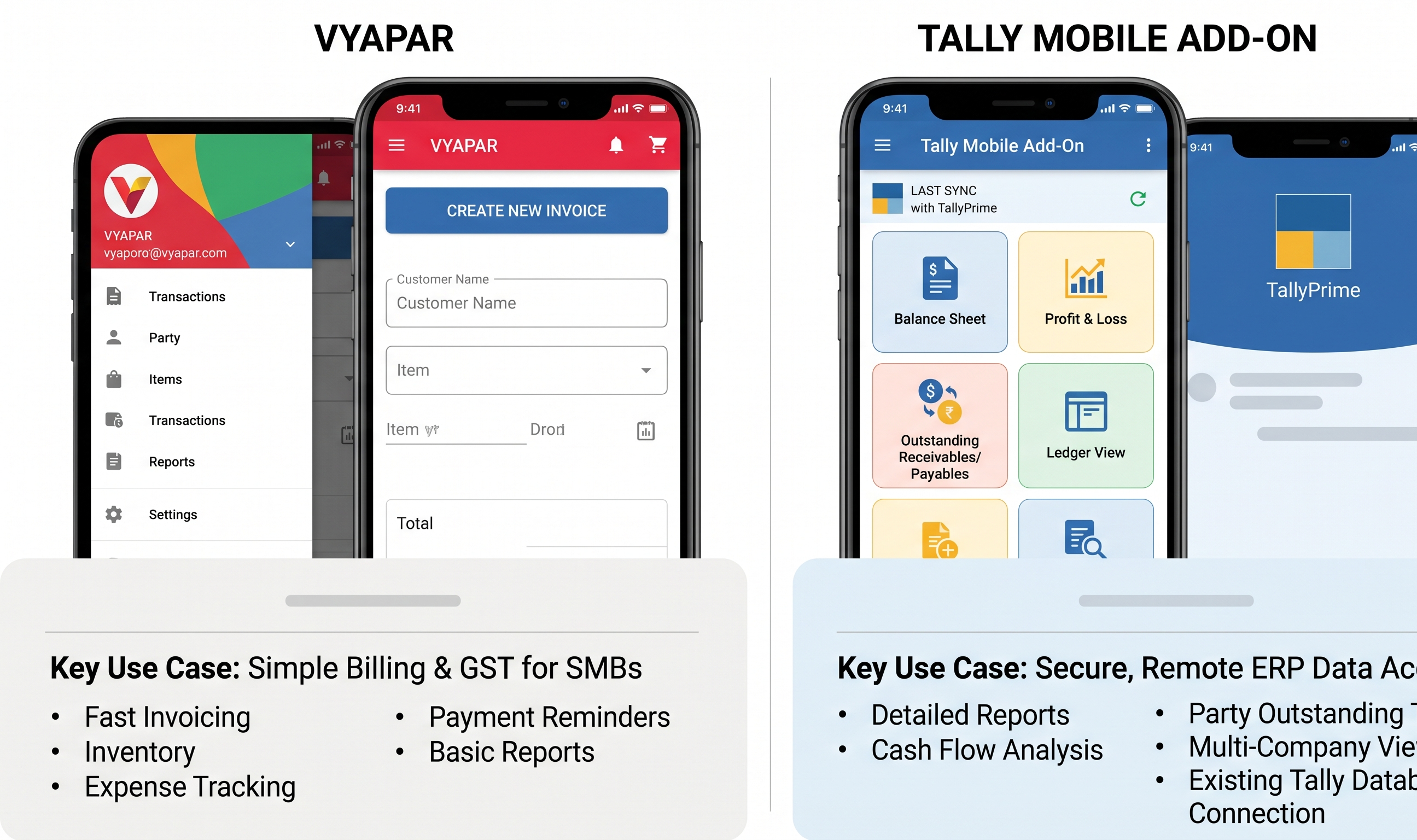
Read post →Vyapar is a billing, invoicing, and inventory app popular with small retailers, solo business owners, kirana shop-keepers, and micro-businesses. It is available on Windows desktop, Android and iOS, with strong offline capability and a clean, simple UI. It handles GST-compliant invoices, basic inventory, party ledgers, and some payment-link integration.
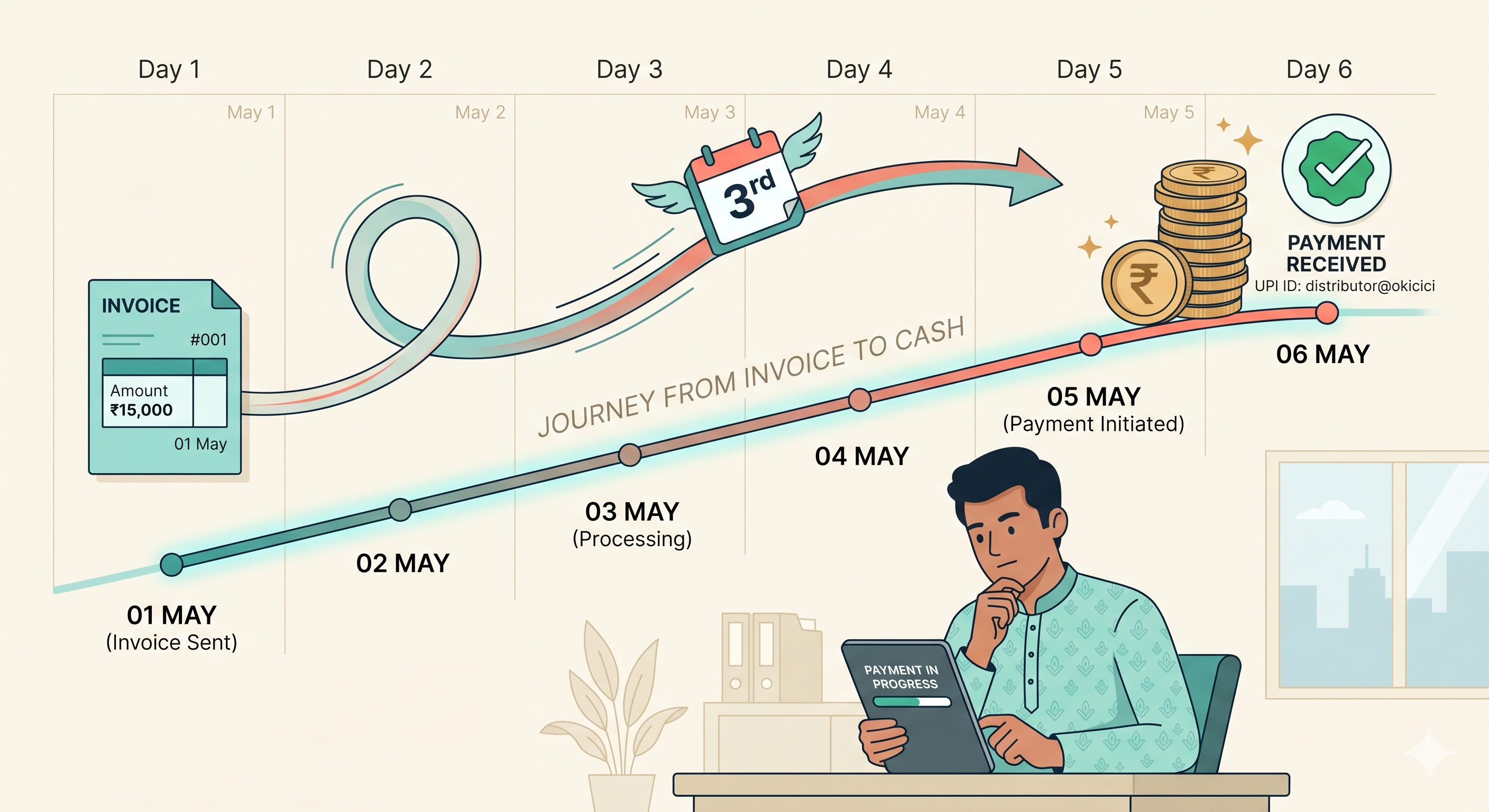
Read post →Pick up your phone, try calling five retailers in Barpeta or Dibrugarh right now and asking for ₹45,000 pending since last month. You will get three voicemails, one "bhaiya, shaam ko" and one who actually picks up. This is the 2026 reality of B2B collections.
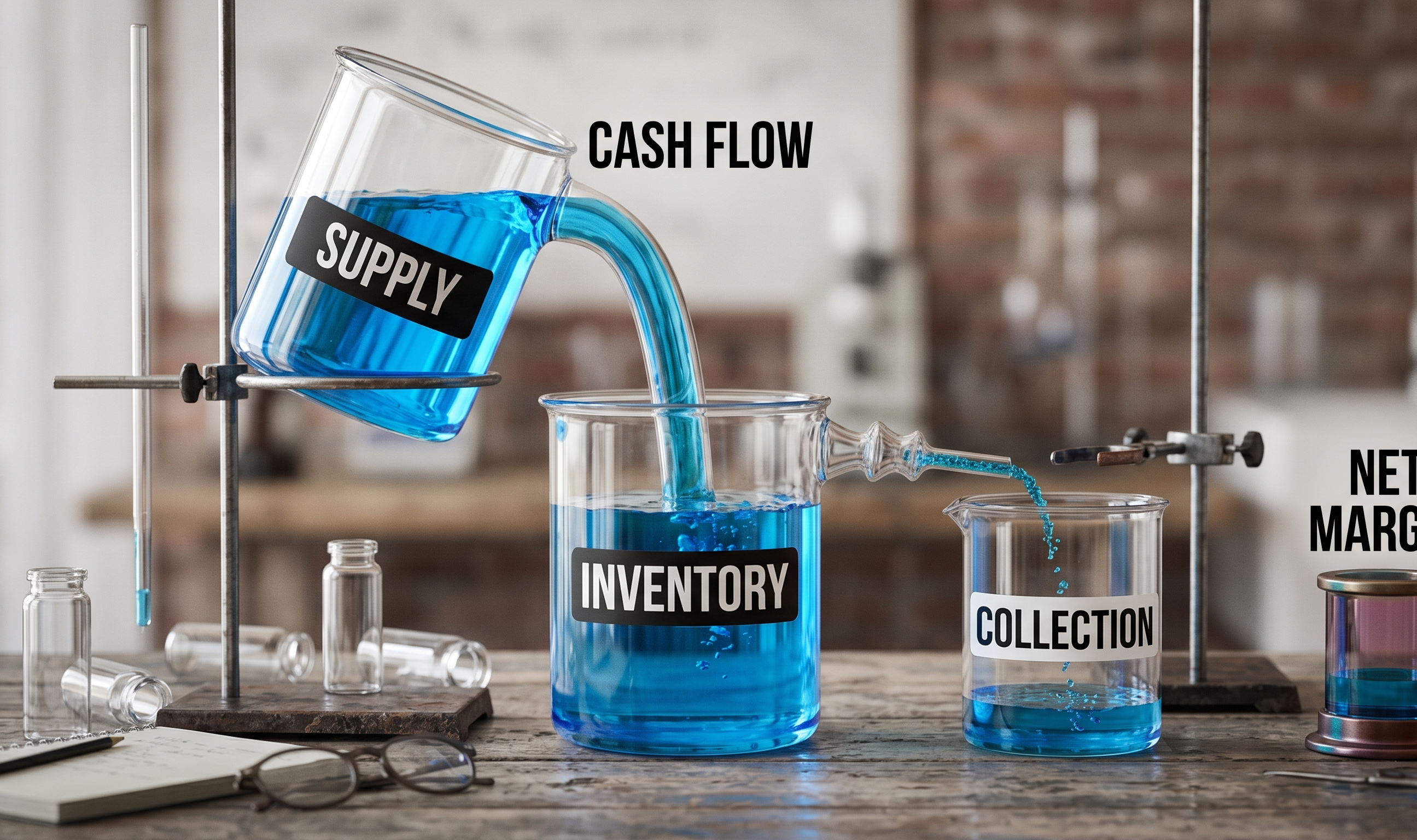
Read post →An Indian wholesaler — call it a ₹15 crore turnover distributor of FMCG goods in a Tier 2 city — runs on roughly this rhythm. They buy goods from 8 to 15 brands on 30-day credit terms. They sell those goods to 80 to 200 retailers on 45 to 60-day credit terms. They earn a 3 to 5% gross margin, which after operating costs (rent, salaries, transport, GST compliance) leaves a 1 to 2% net.
Read post →Most distributors know exactly who owes money. The problem is collecting it without spending the whole day on the phone. The gap between knowing and collecting is where cash flow dies.
Read post →15 minutes. We show you your own Tally data on your phone, live.